
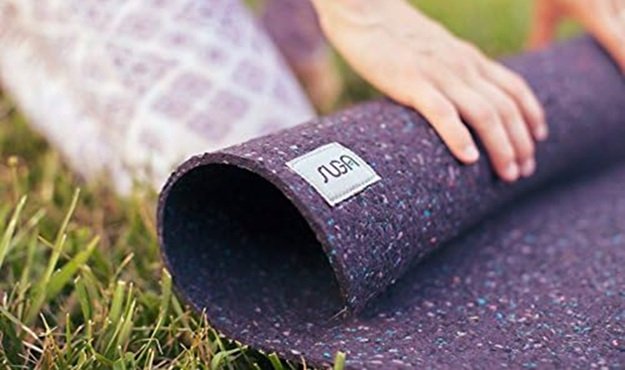
Reduce ocean waste & enjoy a more comfortable yoga practice with the Suga Recycled Wetsuit Yoga Mat…
Article Summary:
- The Suga yoga mat is made from 100% recycled wetsuits, helping reduce ocean waste.
- Neoprene, the material used in wetsuits, is transformed into durable and high-performing yoga mats.
- Suga mats feature closed-cell foam technology, which prevents absorption of sweat and bacteria.
- By recycling wetsuits, Suga connects the surfing and yoga communities in an eco-friendly initiative.
- Participating in Suga’s recycling program supports a sustainable lifestyle and reduces environmental impact.
Overview of Suga’s Environmental Impact
In the heart of Encinitas, California, a remarkable transformation is taking place… The Suga recycled wetsuit yoga mat is not just a product; it’s a movement towards a more sustainable world. By turning discarded wetsuits into yoga mats, Suga addresses a critical environmental issue: ocean waste. Every year, thousands of wetsuits are discarded, contributing to the growing pile of non-biodegradable waste. Suga’s innovative approach provides a solution that benefits both the environment and the consumer.

Image from www.wired.com.
Addressing Ocean Waste Through Innovation
The problem with traditional wetsuits lies in their composition. Made from neoprene, a synthetic rubber, these suits are incredibly durable but notoriously difficult to recycle. Once discarded, they can take decades to break down, if at all. Suga recognized this issue and devised a method to give these materials a second life. By collecting used wetsuits and transforming them into yoga mats, Suga not only prevents waste but also offers a high-quality product for yoga enthusiasts!
Connecting Surf and Yoga Communities
Suga’s initiative is more than just recycling; it’s about building a community. By engaging both surfers and yogis, Suga creates a bridge between two lifestyles that often share a common love for nature. This connection is vital because it fosters a sense of responsibility towards the environment. When surfers and yogis come together, they can amplify their impact and inspire others to join the movement.
- Surfers contribute by donating old wetsuits.
- Yogis benefit from high-performance mats.
- Both communities promote sustainable practices.
Recycling Process to Create Suga Mats
The journey from wetsuit to yoga mat involves several crucial steps, each designed to ensure that the final product is both eco-friendly and of the highest quality. Let’s delve into the process that transforms neoprene waste into a beloved yoga accessory.
Collection and Sorting of Wetsuits
It all begins with the collection of used wetsuits. Suga partners with surf shops along the West Coast, from British Columbia to Ensenada, Mexico, to gather these discarded items. Once collected, the wetsuits are sorted to remove any non-neoprene materials. This step is vital to ensure that only the best materials make it into the recycling process. F
Advantages of the Suga Yoga Mat
The Suga yoga mat stands out not only because of its unique origin but also due to its superior performance and eco-friendly features. By choosing a Suga mat, you’re making a conscious decision to support sustainability without compromising on quality.

Image from www.ebay.com.
Durability and Performance
One of the most impressive aspects of the Suga yoga mat is its durability. Made from recycled neoprene, these mats are designed to withstand rigorous use. Whether you’re practicing intense Vinyasa flows or restorative yoga, the mat provides excellent support and cushioning. The neoprene material offers a firm yet comfortable surface that enhances stability, making it suitable for various types of yoga practices.
Health and Hygiene Features
Suga mats feature closed-cell foam technology, which is a game-changer for hygiene. This technology prevents the mat from absorbing sweat, bacteria, and dirt, ensuring that your practice space remains clean and sanitary. Unlike traditional mats that can harbor germs and odors, Suga mats are easy to clean and maintain, providing a healthier environment for your yoga practice.
Comparing Suga to Traditional Mats
When compared to traditional yoga mats, Suga mats offer several distinct advantages. Traditional mats are often made from PVC or synthetic rubber, materials that are not only less durable but also less environmentally friendly. Suga mats, on the other hand, are crafted from recycled materials, making them a more sustainable choice. Additionally, the performance and grip of Suga mats are on par, if not superior, to conventional options, ensuring that you don’t have to sacrifice quality for sustainability.
In summary, choosing a Suga yoga mat means opting for a product that is both high-performing and environmentally responsible. By doing so, you are not only enhancing your yoga practice but also contributing to a larger movement towards sustainability.
Sustainable Lifestyle Influence
Incorporating eco-friendly products like the Suga yoga mat into your daily routine is a step towards a more sustainable lifestyle. It’s about making choices that align with your values and have a positive impact on the planet. Here’s how the Suga mat can influence your lifestyle for the better.

Image from biofit.io.
Promoting Eco-Friendly Habits
Using a Suga mat encourages you to think about the materials and products you use daily. It serves as a constant reminder of the importance of sustainability and the impact of our choices. By opting for recycled and eco-friendly products, you contribute to a reduction in waste and promote the responsible use of resources.
Besides that, owning a Suga mat can inspire you to explore other sustainable practices, such as reducing plastic use, recycling, and supporting eco-conscious brands. It’s a small but significant step towards a more mindful and environmentally-friendly lifestyle.
Community Involvement and Contribution
Being part of the Suga movement means joining a community of like-minded individuals who are committed to making a difference! This sense of community can be incredibly motivating, encouraging you to take further actions towards sustainability. By participating in Suga’s recycling initiatives or spreading awareness about their products, you contribute to a collective effort to protect our planet. For those interested in enhancing their yoga practice while supporting eco-friendly initiatives, consider exploring the Yogasanas Handwoven Cotton Yoga Mat as a sustainable option as well.
Moreover, community involvement can extend beyond just using eco-friendly products. It can lead to engaging in local environmental projects, attending workshops, or supporting businesses that prioritize sustainability. Each action, no matter how small, contributes to a larger impact.
Ultimately, the Suga yoga mat is more than just a product; it’s a symbol of a lifestyle choice that prioritizes the well-being of our planet and its inhabitants!
Engaging in the Suga Movement
Here are some ways you can actively participate in the Suga movement and make a difference.
First, consider recycling your old wetsuits or yoga mats through Suga’s recycling program. By doing so, you contribute directly to reducing waste and supporting the creation of new eco-friendly products. Additionally, sharing your experience with others can inspire them to join the movement and make more conscious choices!
Participating in Recycling Initiatives
Getting involved with recycling initiatives is a crucial step in supporting Suga’s mission. Start by collecting your old wetsuits and dropping them off at participating surf shops or recycling centers. Suga partners with numerous locations along the West Coast, making it easy for you to contribute. This simple action helps reduce landfill waste and supports the creation of new Suga mats.
Furthermore, spread the word about Suga’s recycling program. Encourage friends, family, and fellow surfers to recycle their wetsuits. Sharing your commitment to sustainability can inspire others to take action, amplifying the positive impact on the environment!

Image from www.youtube.com.
Purchasing and Supporting Sustainable Products
Besides recycling, purchasing sustainable products is another way to engage with the Suga movement. When you choose a Suga mat, you’re supporting a company dedicated to environmental responsibility. Look for other eco-friendly brands that align with your values, and make conscious decisions when shopping.
Consider the materials, production processes, and company values when selecting products. Opt for items that prioritize sustainability, whether it’s clothing made from organic fibers or reusable household goods. Every purchase is an opportunity to support a more sustainable future!
Frequently Asked Questions
As you explore the world of eco-friendly yoga mats, you may have some questions. Here are answers to common queries about Suga mats and their recycling process.
How are wetsuits collected for recycling?
Suga collects wetsuits through a network of surf shops and recycling centers along the West Coast. Surfers can drop off their old wetsuits at designated locations, where they are then sorted and prepared for recycling. This process ensures that only high-quality neoprene is used in creating new yoga mats.
What makes the Suga mat different from other yoga mats?
Suga yoga mats are unique because they are made entirely from recycled wetsuits, providing an eco-friendly alternative to traditional mats. They feature closed-cell foam technology, which prevents sweat and bacteria absorption, ensuring a hygienic practice space. Additionally, Suga mats offer excellent durability and grip, making them suitable for various types of yoga practices.
Can I recycle my old yoga mat with Suga?
While Suga primarily focuses on recycling wetsuits, they encourage customers to contact them about recycling options for old yoga mats. By reaching out to Suga, you can learn more about how to responsibly dispose of or recycle your used mats.
Where can I purchase a Suga yoga mat?
Suga yoga mats are available for purchase on their official website and at select retail locations. By buying directly from Suga, you support their mission to reduce ocean waste and promote sustainable practices. If you’re interested in exploring more eco-friendly options, you might also want to check out this handwoven cotton yoga mat.
What else can be made from recycled neoprene?
Recycled neoprene has the potential to be transformed into various products beyond yoga mats. It can be used to create items such as laptop sleeves, phone cases, and even footwear. By repurposing neoprene, we can further reduce waste and explore new possibilities for sustainable products.
The Suga Recycled Wetsuit Yoga Mat is not just a yoga mat; it’s a revolutionary product that transforms ocean waste into a sustainable practice space. By utilizing discarded wetsuits, Suga is making a significant impact on reducing ocean pollution and promoting eco-friendly practices. For more information on how Suga is contributing to environmental sustainability, check out their FAQ section.
Featured Image from www.amazon.com.


