
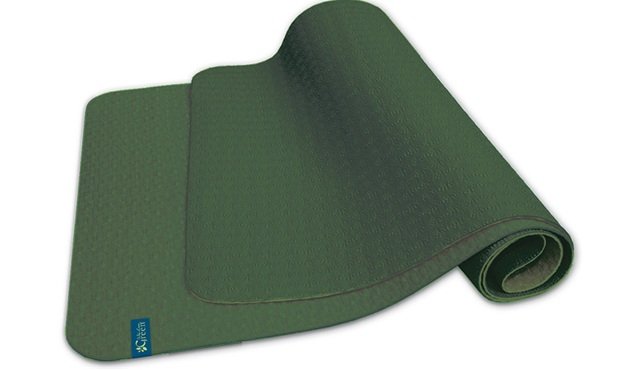
Looking for the best of both worlds in a yoga mat? Enjoy superior performance & eco-friendly features with the Wai Lana Green EcoMat…
Article Summary:
- The Wai Lana Green EcoMat offers an eco-friendly alternative to conventional PVC yoga mats, being free from harmful chemicals like phthalates, latex, and chloride
- With its specialized patterned surface, the EcoMat provides exceptional traction for yoga practitioners, even during sweaty sessions
- At 1/4″ thick and measuring 24″ x 68″, this mat delivers optimal cushioning while remaining lightweight enough for easy transport
- The manufacturing process for the EcoMat consumes less energy and produces less waste than standard yoga mat production
- Proper care and storage away from direct sunlight can extend the lifespan of your EcoMat, making it a worthwhile investment for dedicated yogis
Why Your Yoga Mat Choice Matters for the Planet
Every time you roll out your yoga mat, you’re making a statement about your values. The surface where you practice mindfulness, build strength, and find peace becomes an extension of your commitment to yoga’s principles. When that surface contains toxic chemicals or contributes to environmental degradation, it creates a fundamental disconnect from the yogic philosophy of harmlessness and respect for all living beings. Your mat choice isn’t just practical—it’s ethical.
The yoga industry has exploded in popularity, with an estimated 300 million practitioners worldwide rolling out mats daily. This growth has led to mass production of yoga accessories, often with little consideration for environmental impact. Each year, millions of conventional yoga mats end up in landfills where they can take centuries to break down, if they ever do. Meanwhile, during their useful life, many release harmful compounds that practitioners unknowingly inhale with every deep yoga breath.

Image from shop.wailana.com.
Choosing an environmentally conscious option like the Wai Lana Green EcoMat aligns your practice with ahimsa (non-violence) and brings integrity to your yoga journey. This thoughtful approach extends the mindfulness of yoga beyond the poses themselves, creating harmony between your practice and your impact on the world. The mat beneath your feet becomes not just a tool, but a reflection of your commitment to treading lightly on the earth.
The Toxic Truth About Conventional Yoga Mats
The uncomfortable reality is that most standard yoga mats are made from polyvinyl chloride (PVC), one of the most environmentally damaging plastics in production today. The manufacturing process releases dioxins—potent carcinogens that persist in the environment—while the finished product often contains stabilizers and plasticizers that can leach into your skin during practice. What’s meant to be a health-promoting activity becomes tainted by exposure to potentially harmful substances.
PVC and Phthalates: Hidden Dangers Under Your Hands
The majority of budget yoga mats contain PVC, which requires chemical plasticizers called phthalates to achieve flexibility. These compounds have been linked to hormonal disruption, reproductive issues, and other health concerns in numerous scientific studies. As you press your hands, feet, and face against your mat during various poses, your skin absorbs these compounds—especially when you’re sweating, which accelerates the transfer of chemicals.
Even more concerning, many practitioners place their mats in hot cars or heated studios, which accelerates the release of these compounds. The very qualities that make conventional mats durable and sticky—their chemical composition—are precisely what makes them problematic from both environmental and health perspectives. Unlike the Wai Lana Green EcoMat, which is specifically formulated to be free from PVC, phthalates, and other harmful compounds, conventional mats prioritize cost and convenience over health and environmental considerations.
Off-Gassing: Why That “New Mat Smell” Is Problematic
That distinctive smell of a new yoga mat isn’t the scent of wellness—it’s the result of volatile organic compounds (VOCs) being released into the air! This process, known as off-gassing, continues throughout the lifespan of conventional mats, though it’s most pronounced when they’re new. During your practice, you’re breathing deeply and drawing these compounds directly into your lungs, potentially offsetting the respiratory benefits of yoga.
Landfill Legacy: What Happens After You Discard Your Mat
When conventional yoga mats wear out, they typically end up in landfills where they can persist for centuries. PVC is particularly problematic as it doesn’t biodegrade—it simply breaks down into smaller and smaller pieces, eventually becoming microplastics that contaminate soil and water. The environmental footprint of a single PVC mat extends far beyond its useful life, creating pollution that affects ecosystems and wildlife for generations.
- PVC mats can take 500+ years to decompose in landfills
- As they break down, they release additional toxins into soil and groundwater
- Burning PVC (as happens in some waste management systems) releases dioxins and hydrogen chloride
- Microplastics from degrading mats have been found in marine organisms and human food chains
- Most conventional mats cannot be recycled through standard programs
The Wai Lana Green EcoMat offers a responsible alternative to this cycle of pollution. Being recyclable and ecologically degradable, it represents a commitment to reducing the environmental impact of yoga practice. When your practice embodies mindfulness not just on the mat but in the lifecycle of the mat itself, it becomes truly holistic.
Wai Lana Green EcoMat: Sustainable Design Features
The Wai Lana Green EcoMat represents a fundamental rethinking of what a yoga mat can be. Unlike conventional options, this mat utilizes thermoplastic elastomer (TPE) material instead of PVC, creating a surface that’s both functional and environmentally responsible. The specialized patterned surface isn’t just for show—it’s engineered to provide exceptional grip during all types of practice while maintaining the cushioning yogis need for comfort during longer sessions.

Image from shop.wailana.com.
At 1/4″ thick and measuring 24″ wide by 68″ long, the EcoMat strikes the perfect balance between supportive cushioning and portability. This thoughtful sizing accommodates practitioners of various heights while providing enough space for movement without creating an unnecessarily bulky mat to carry. The willow green color option offers a calming, nature-inspired tone that enhances the mindful atmosphere of your practice space.
TPE Material: The Eco-Friendly Alternative
Thermoplastic elastomer (TPE) represents a significant upgrade from traditional PVC in yoga mats. This innovative material provides the flexibility and resilience yogis need without the environmental and health concerns associated with vinyl products. TPE is recyclable and breaks down more readily in landfill conditions, dramatically reducing the ecological footprint compared to conventional mats that might persist for centuries.
The closed-cell structure of the TPE used in the EcoMat serves multiple purposes. It prevents moisture absorption, making the mat resistant to bacteria and fungi growth that can occur in more porous materials. This structure also contributes to the mat’s durability, helping it maintain its shape and performance characteristics even after hundreds of practice sessions. For yogis concerned about both performance and planetary impact, this material represents the gold standard in current yoga mat technology.
Non-Toxic Manufacturing Process
Beyond the material itself, how the Wai Lana Green EcoMat is produced matters significantly. The manufacturing process consumes less energy and generates less waste than standard yoga mat production. By eliminating toxic chemicals like latex, PVC, glues, phthalates, toluene, and chloride from the production cycle, Wai Lana has created a truly health-conscious product that doesn’t sacrifice performance for sustainability.
Size and Thickness Specifications
The EcoMat’s 1/4″ thickness (approximately 6.35mm) hits what many experienced practitioners consider the sweet spot for yoga mats. This dimension provides enough cushioning to protect sensitive joints during seated and supine poses without creating the unstable surface that excessively thick mats can introduce. At 24″ wide and 68″ long, the mat accommodates a full range of asanas while remaining portable enough for daily transport to class.
Available Colors and Design Elements
While functionality comes first, the aesthetic appeal of a yoga mat shouldn’t be overlooked. The Wai Lana Green EcoMat comes in a soothing willow green that creates a calming visual foundation for your practice. The subtle texture pattern serves both practical and visual purposes—enhancing grip while creating an appealing surface that reminds practitioners of the natural world they’re helping to protect through their conscious purchasing choices. (Wai Lana also offers other yoga mats in various colors and pattern choices.)
Performance Benefits That Set the EcoMat Apart
Ethical considerations aside, the EcoMat stands on its own merits as a high-performance yoga surface. Its specialized patterned texture provides exceptional stability for challenging poses while the responsive cushioning creates comfort without compromising balance. Many practitioners find that the transition from conventional mats to the EcoMat actually enhances their practice by providing more reliable support and grip.
Superior Grip Even During Sweaty Sessions
The EcoMat’s standout feature is its remarkable traction, which remains consistent even as your practice heats up. The specialized surface pattern creates multiple contact points that maintain grip integrity even when moisture is present. This means you can flow through vigorous vinyasa sequences or hold challenging arm balances without the disconcerting slip that can occur with less advanced mat surfaces.
Unlike some eco-friendly alternatives that sacrifice performance for sustainability, the EcoMat actually outperforms many conventional options in grip tests. The water and sweat-resistant surface maintains its tactile properties throughout your practice, eliminating the need for additional towels or props to create a stable foundation. This reliable performance creates confidence that translates directly into more focused and effective yoga sessions.
Cushioning and Joint Support
The 1/4″ thickness of the EcoMat provides ideal support for practitioners concerned about joint protection. The TPE material offers responsive cushioning that compresses appropriately under pressure points like knees, wrists, and sitting bones, distributing weight evenly to prevent discomfort during longer holds. This supportive quality makes the EcoMat particularly well-suited for restorative practices or yogis with sensitivity in weight-bearing joints.

Image from www.liberia.ubuy.com.
Durability: How Long You Can Expect It to Last
Despite its eco-friendly composition, the EcoMat doesn’t compromise on longevity. With proper care, practitioners report using their EcoMats for many years of regular practice without significant degradation in performance or appearance. The closed-cell structure resists the breakdown that can occur with more porous materials, maintaining its integrity through hundreds of sessions.
This durability creates an excellent value proposition—while the initial investment may be higher than budget PVC options, the extended lifespan means you’ll replace your mat less frequently. The mat’s resistance to flaking, surface peeling, and compression makes it a wise long-term choice for dedicated practitioners. As the manufacturer notes, “You can expect years of faithful service from your Wai Lana Green EcoMat” when basic care guidelines are followed.
How the EcoMat Aligns With Yogic Principles
Yoga extends far beyond physical postures into a comprehensive lifestyle philosophy that encourages harmony with all living beings. The Sanskrit principle of ahimsa (non-violence or non-harm) is considered the foundation of yogic ethics, asking practitioners to minimize suffering in all its forms. By choosing the Wai Lana Green EcoMat, you’re extending this principle to include environmental stewardship and personal health protection.
When your mat choice reduces harm to ecosystems, minimizes toxic manufacturing processes, and decreases your exposure to potentially harmful chemicals, it becomes a tangible expression of yoga’s deeper teachings. This alignment between products and principles creates integrity in practice that many serious yogis find deeply satisfying. Your mat becomes not just a tool for asana but a reflection of your commitment to yoga’s ethical framework.
Ahimsa (Non-Harm): Extending Compassion to the Environment
The principle of ahimsa asks us to consider the impact of our choices on all living beings. Conventional PVC mats contribute to environmental degradation through their production, use, and disposal cycles. The manufacturing process releases dioxins and other pollutants that affect air and water quality, harming wildlife and human communities alike. By contrast, the EcoMat’s production consumes less energy and produces less waste, embodying ahimsa in its very creation.
The recyclability and ecological degradability of the EcoMat further extends this principle of non-harm into the future. Rather than persisting in landfills for centuries like conventional mats, the EcoMat breaks down more readily at the end of its useful life. This reduced environmental footprint represents a concrete application of ahimsa that goes beyond intentions into measurable impact reduction.
Saucha (Purity): Practicing on a Clean Surface
Saucha, or purity/cleanliness, is another essential yogic principle that applies to both physical spaces and internal states. The non-toxic composition of the EcoMat supports this principle by creating a practice surface free from potentially harmful chemicals. Each breath during your practice draws in fewer VOCs and chemical compounds, supporting the purity of both your physical body and practice space.
The EcoMat’s water-resistant surface also promotes physical cleanliness by preventing the absorption of sweat and bacteria that can occur with more porous materials. This resistance to moisture means your mat remains a cleaner surface for practice, particularly important during shared studio settings or intensive sessions where perspiration is significant. The principle of saucha becomes tangible through these material properties, creating harmony between yogic philosophy and practical implementation.
Real Yogi Experiences With the Green EcoMat
Across studios and home practice spaces, experienced yogis report consistent satisfaction with the Wai Lana Green EcoMat’s performance. Practitioners particularly appreciate the reliable grip that remains stable through multiple pose transitions and varied practice intensities. The combination of ecological mindfulness and functional excellence creates a product that appeals to yogis who refuse to compromise on either environmental ethics or performance quality.
Comfort Comparisons With Traditional Mats
Many users transitioning from conventional PVC mats to the EcoMat report an immediate appreciation for the supportive cushioning that doesn’t sacrifice stability. The responsive surface provides appropriate give under pressure points like knees and wrists without creating the sinking sensation that can destabilize standing poses. This balanced approach to cushioning addresses one of the most common complaints about eco-friendly alternatives—that they sacrifice comfort for sustainability.
Long-time practitioners note that the EcoMat’s surface texture creates a more natural feeling connection with the ground compared to the synthetic tackiness of many PVC options. This tactile quality enhances proprioception (awareness of body position), potentially improving alignment in complex poses. The comfort advantage becomes particularly apparent during longer practice sessions where pressure point discomfort can accumulate with less supportive surfaces.
Teacher Recommendations and Studio Usage
Yoga instructors increasingly recommend the Wai Lana Green EcoMat to students seeking alignment between their values and practice tools. Many teachers note that the EcoMat’s performance characteristics make it suitable for all practice styles, from gentle restorative sessions to dynamic vinyasa flows. This versatility makes it an excellent option for students who participate in various class types or whose practice evolves over time.
In studio settings where multiple mats might be used throughout the day, the EcoMat’s resistance to bacterial growth and ease of cleaning make it a hygienic choice for shared environments. Several studios have begun incorporating eco-friendly mats like the EcoMat into their rental and retail offerings, recognizing both the performance benefits and the growing student demand for environmentally responsible options.
Proper Care for Maximum Lifespan
To maximize your investment in the Wai Lana Green EcoMat, proper maintenance is essential. Regular cleaning prevents the buildup of oils, sweat, and environmental debris that can degrade the surface over time. The closed-cell structure makes cleaning relatively straightforward, requiring less intensive maintenance than more porous natural fiber alternatives.
Daily Cleaning Methods
After each practice session, a quick wipe-down with a damp cloth removes surface moisture and prevents salt from dried sweat from affecting the mat’s texture. For more thorough cleaning, a mild solution of water with a few drops of gentle dish soap applied with a soft cloth effectively removes oils and dirt without damaging the TPE material. Always avoid harsh chemical cleaners, particularly those containing bleach or strong solvents, as these can break down the mat’s structure.
Many practitioners find that keeping a small spray bottle with diluted mild soap solution in their yoga bag makes post-practice cleaning convenient, encouraging regular maintenance. Remember to thoroughly rinse any soap residue from the mat to prevent slipperiness during your next practice session. A microfiber cloth works particularly well for both cleaning and drying the EcoMat’s textured surface.
Deep Cleaning Techniques
For more intensive cleaning, you can submerge the EcoMat in a bathtub with cool water and a small amount of mild detergent. Gently agitate the water around the mat, then rinse thoroughly until the water runs clear. Avoid hot water, which can potentially affect the TPE material’s integrity over time. After rinsing, press (don’t wring) the mat between clean towels to remove excess moisture.
While some yoga mats can be machine washed, this is not recommended for the EcoMat as mechanical agitation may compromise its structure. The hands-on cleaning approach also allows you to inspect the entire surface for any areas requiring special attention. This mindful maintenance becomes an extension of your yoga practice—a few moments of care that preserve your mat’s performance and appearance.
Storage Tips to Prevent Damage
Proper storage significantly extends your EcoMat’s useful life. The manufacturer specifically recommends avoiding prolonged exposure to direct sunlight and intense heat, which can affect the TPE material’s properties over time. When not in use, store your mat unrolled if space permits, or loosely rolled with the practice surface facing outward to prevent the development of permanent creases or curling edges.
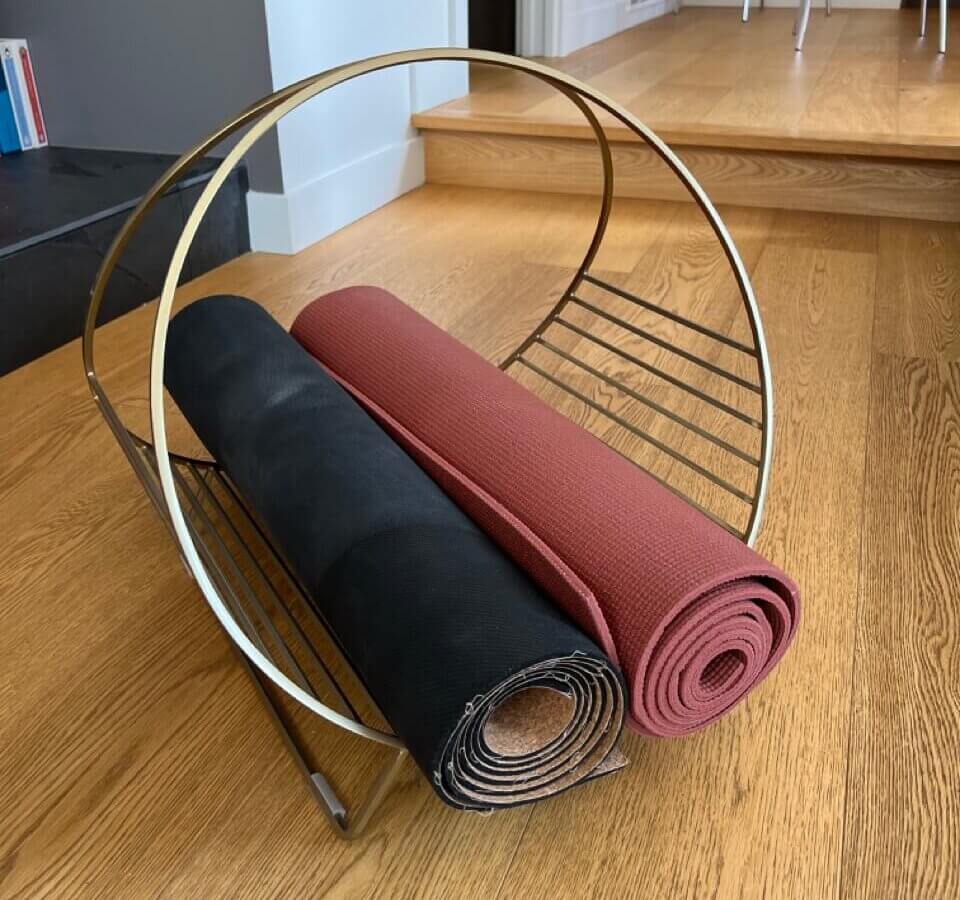
Image from asanaathome.com.
Avoid storing your mat in humid areas like bathrooms or damp basements, which can potentially encourage mold growth despite the mat’s moisture-resistant properties. Similarly, extremely cold storage locations can affect the mat’s flexibility temporarily. A dedicated mat bag provides protection during transport while allowing air circulation that prevents moisture accumulation. With these simple precautions, “you can expect years of faithful service from your Wai Lana Green EcoMat,” as the company confidently states.
Price Considerations and Value Proposition
With a retail price of approximately $50 (as seen on major retailers like Amazon) or $60 (direct from manufacturer), the Wai Lana Green EcoMat represents a mid-range investment in your yoga practice. While this price point sits above budget PVC options, it compares favorably with other eco-friendly alternatives that often command premium prices. When evaluating this cost, it’s essential to consider not just the initial purchase price but the comprehensive value offered through performance, durability, and reduced environmental impact.
Many practitioners find that the EcoMat’s longer useful life creates better long-term value than cheaper alternatives that require more frequent replacement. The mat’s resistance to degradation means you’ll likely spend less over several years of practice compared to purchasing multiple lower-quality options. This durability factor, combined with the health benefits of practicing on a non-toxic surface, creates a compelling value proposition for serious yogis.
Initial Investment vs. Long-Term Benefits
The upfront cost of the EcoMat represents an investment in both your practice and environmental values. While budget-conscious practitioners might initially hesitate at the price difference compared to basic PVC mats, the extended lifespan and health benefits quickly offset this initial premium. Many users report their EcoMats remaining in excellent condition after years of regular use—a timeframe during which they might have replaced a lower-quality mat multiple times.
Where to Purchase at the Best Price
The EcoMat is available through multiple channels, including the manufacturer’s website (shop.wailana.com), major online retailers like Amazon, and select yoga specialty stores. Price comparisons between these options may reveal seasonal discounts or promotional offers that reduce the initial investment. When purchasing, verify you’re receiving the authentic Wai Lana Green EcoMat, as the growing popularity of eco-friendly yoga products has unfortunately led to imitation products with inferior materials and performance characteristics.
Some yoga studios offer member discounts on equipment purchases, potentially reducing the cost for regular practitioners. Additionally, watching for seasonal sales around major shopping periods can yield significant savings. The direct manufacturer website occasionally offers bundle deals that include the EcoMat with complementary products like mat bags or cleaning supplies, increasing the overall value.
Price Comparison
Amazon: $50
Manufacturer Direct: $59.95
Specialty Yoga Retailers: $45-65 (varies by location)
*Prices subject to change and may vary by color/promotion
Regardless of where you purchase, the EcoMat’s performance characteristics and environmental benefits make it a worthwhile investment for dedicated practitioners seeking alignment between their values and their yoga tools. The price represents not just a mat purchase but an investment in sustainable practice that benefits both personal health and planetary wellbeing.
Make Your Practice Truly Holistic With the Right Mat
Your yoga mat is more than just a surface—it’s the foundation of your practice and a daily expression of your values. The Wai Lana Green EcoMat offers the rare opportunity to align your ethical considerations with high-performance functionality, creating a truly integrated approach to yoga. By choosing a mat produced with environmental mindfulness, free from harmful chemicals, and designed for optimal practice support, you extend the mindfulness of yoga beyond the time spent in asana. For those interested in integrating sustainable practices beyond the yoga mat, consider exploring this article on holistic eco-living.
As yoga continues to evolve in the modern world, practitioners increasingly recognize that authentic practice involves conscious choices in all aspects of life—including the products we use. The EcoMat represents this evolution, offering a thoughtful alternative to conventional options without compromising the performance qualities serious yogis demand. Your choice becomes a small but meaningful contribution to a more sustainable yoga community and a healthier planet for all beings! Wai Lana has created more than just an eco-friendly yoga accessory—they’ve created a vehicle for practicing yoga’s ethical principles through everyday consumer choices.
Frequently Asked Questions
The following questions address common concerns about the Wai Lana Green EcoMat, based on practitioner experiences and manufacturer specifications. These insights can help you determine if this mat aligns with your specific practice needs and environmental values. While individual experiences may vary, these responses reflect the general consensus among regular users of the EcoMat.
Many yogis transitioning from conventional mats to eco-friendly alternatives share similar questions about performance, durability, and special care requirements. The answers below aim to provide practical guidance based on both technical specifications and real-world usage across various yoga styles and practice environments.
Is the Wai Lana Green EcoMat completely biodegradable?
The EcoMat is described as “recyclable and ecologically degradable” rather than completely biodegradable. This important distinction means that while the TPE material will break down more readily than PVC in appropriate conditions, it doesn’t meet the technical definition of biodegradability that would apply to natural materials like rubber or jute. The mat will degrade significantly faster than conventional PVC options, which can persist for centuries, but it won’t decompose completely in short timeframes like truly biodegradable materials.
For optimal end-of-life handling, the EcoMat should ideally be recycled through appropriate TPE recycling programs rather than sent to a landfill. While these specialized recycling options aren’t universally available, the growing infrastructure for plastic recycling increasingly accommodates TPE materials. Even in landfill conditions, the EcoMat’s composition ensures it will have a significantly reduced environmental persistence compared to vinyl alternatives.
Many environmentally conscious practitioners consider this moderate ecological degradability an acceptable compromise that balances performance needs with environmental concerns. The EcoMat represents a substantial improvement over conventional options while maintaining the durability and functionality serious yogis require. For those seeking the absolute minimum environmental impact, natural rubber or organic cotton mats might offer greater biodegradability but typically with different performance characteristics.
When evaluating biodegradability claims for any yoga product, it’s important to recognize that few synthetic materials completely return to natural elements in typical disposal conditions. The EcoMat’s “ecologically degradable” designation honestly acknowledges this reality while still offering meaningful environmental advantages over standard options.
Environmental Impact Comparison
PVC Mats: 500+ years to break down, release toxins during degradation
TPE (EcoMat): Significantly faster degradation, reduced toxin release
Natural Rubber: Biodegradable but requires careful sourcing to ensure sustainability
Cotton/Jute: Most biodegradable but typically offers different performance characteristics
How does the EcoMat handle hot yoga or high-sweat practices?
The EcoMat performs remarkably well in heated environments and high-intensity practices where perspiration becomes a significant factor. The water and sweat-resistant surface maintains its grip integrity even as moisture accumulates, addressing one of the most common challenges in hot yoga settings. The specialized patterned texture creates multiple contact points that continue to provide traction even when the surface becomes damp from perspiration or humidity.
For extremely sweaty sessions like Bikram or heated power vinyasa classes, some practitioners choose to place a thin yoga towel over portions of the mat where moisture accumulation is greatest. However, many find the EcoMat’s natural grip sufficient without this addition. The closed-cell structure prevents sweat absorption that can lead to bacterial growth and odors in more porous materials, making post-practice cleaning straightforward even after the most intense sessions.
Can people with latex allergies safely use the Wai Lana Green EcoMat?
Yes, the Wai Lana Green EcoMat is specifically formulated to be latex-free, making it a safe option for practitioners with latex sensitivities or allergies. The manufacturer explicitly lists latex among the materials excluded from the EcoMat’s composition, along with PVC, glues, phthalates, toluene, and chloride. This careful formulation creates a hypoallergenic surface suitable for individuals who must avoid natural rubber latex due to allergic reactions.
This latex-free quality represents an important advantage over some other eco-friendly mats that use natural rubber, which can trigger reactions in latex-sensitive individuals. The TPE material provides similar performance benefits without the allergen concerns, making the EcoMat accessible to a wider range of practitioners. For those with multiple chemical sensitivities, the absence of phthalates and other common irritants creates an even more comprehensive hypoallergenic profile.
What’s the weight of the EcoMat compared to other yoga mats?
The Wai Lana Green EcoMat strikes a balanced middle ground in the weight spectrum of yoga mats. At approximately 2.5-3 pounds (the exact weight varies slightly by production batch), it’s lighter than many natural rubber mats of comparable thickness while providing similar cushioning benefits. This moderate weight creates a mat that’s substantial enough to lay flat immediately when unrolled but still portable enough for daily transport to studios or travel.
Does the EcoMat have a break-in period before reaching optimal grip?
Unlike some natural rubber mats that require extensive use before achieving their best traction, the EcoMat provides excellent grip from the first use. The specialized surface texture delivers consistent performance without the slippery initial period that practitioners often experience with other materials. This immediate functionality means new users can practice with confidence from day one, without modifications or adaptations during a break-in phase.
Some users report that the surface becomes slightly more responsive after a few practice sessions as body heat and minimal wear create a more personalized feel. However, this subtle enhancement differs from the significant break-in period required by some alternative materials. The consistent performance from the beginning represents a practical advantage for practitioners who need reliable traction immediately rather than after weeks of regular use.
For those seeking the perfect balance between environmental responsibility and high-performance yoga gear, the Wai Lana Green EcoMat offers a compelling solution that honors both the physical and philosophical aspects of yoga practice. Your conscious choice supports a company dedicated to promoting sustainable yoga equipment for mindful practitioners worldwide.
Wai Lana’s Green EcoMat is not only an excellent choice for practicing yoga, but it also aligns with the principles of practicing ahimsa, the yogic principle of non-violence. Made from sustainable materials, this mat ensures that your practice is both ethical and environmentally friendly, making it a perfect fit for the modern yogi who values sustainability and mindfulness.
Featured Image from shop.wailana.com.


