

Take your yoga practice outdoors and enjoy the beauty of nature with Walking Yoga! Here’s what it is & how to do it…
Article Summary:
Walking yoga is a fusion of walking and yoga, focusing on mindfulness and movement.
- Walking yoga improves flexibility and cardiovascular health by integrating yoga poses into a walking routine.
- Practicing walking yoga can significantly reduce stress and enhance mental clarity.
- Mindfulness and body awareness are key components, helping you connect with your surroundings and inner self.
- No special equipment is needed; comfortable clothing and a peaceful walking path are sufficient.
- Beginners can start easily by incorporating simple yoga stretches and breathing exercises into their walks.
Discovering Walking Yoga: Combining Movement and Mindfulness
Walking yoga is a unique blend of two powerful practices: walking and yoga. By merging the rhythmic movement of walking with the mindful postures of yoga, you can create a meditative experience that benefits both the body and mind. It’s a practice that encourages you to slow down and appreciate each step you take, turning a simple walk into a journey of self-discovery.
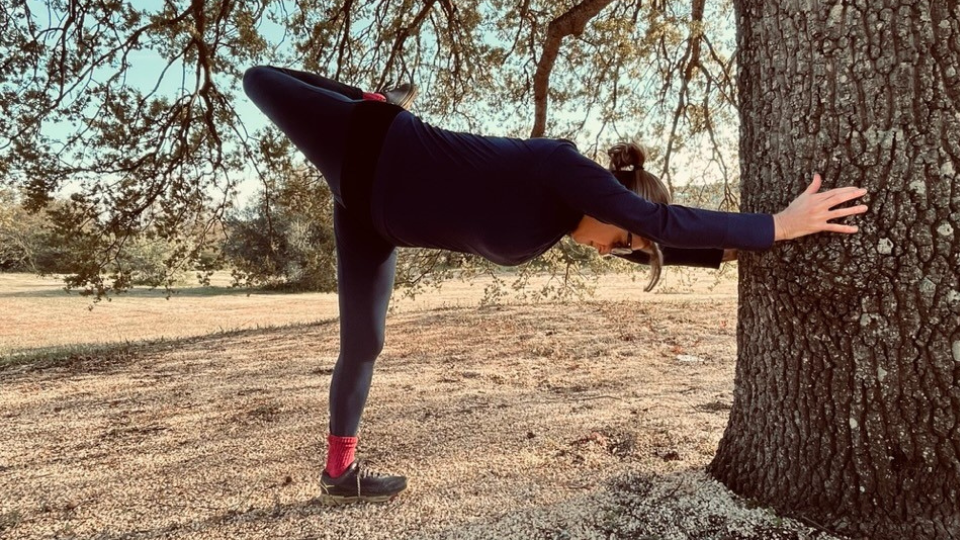
Image from movementformodernlife.com.
Definition and Origins of Walking Yoga
- Walking yoga combines physical movement with mindfulness, offering a holistic approach to wellness.
- Originating from traditional yoga principles, it adapts these practices to the dynamic environment of walking.
- The practice emphasizes breathing, balance, and awareness, making it accessible to people of all fitness levels.
Imagine taking a walk where each step becomes a conscious act of meditation. That’s the essence of walking yoga. It takes the calming effects of yoga off the mat and onto the path, allowing you to engage with nature and your surroundings in a deeper way. This practice has its roots in ancient yoga traditions, where mindfulness and movement have always gone hand in hand.
In walking yoga, you don’t just move your body; you engage your mind. This integration of physical and mental exercise helps to foster a sense of balance and well-being. The origins of walking yoga can be traced back to the desire to make yoga more accessible and adaptable to everyday life, removing the constraints of a yoga studio and inviting practitioners to explore the world around them.
Why People Are Drawn to Walking Yoga
Many people are drawn to walking yoga because it offers a refreshing change from traditional exercise routines. It’s an opportunity to connect with nature, reduce stress, and improve physical fitness all at once! Unlike other forms of exercise that might feel like a chore, walking yoga is enjoyable and invigorating. It allows you to be present in the moment, appreciating the beauty around you while nurturing your body and mind.
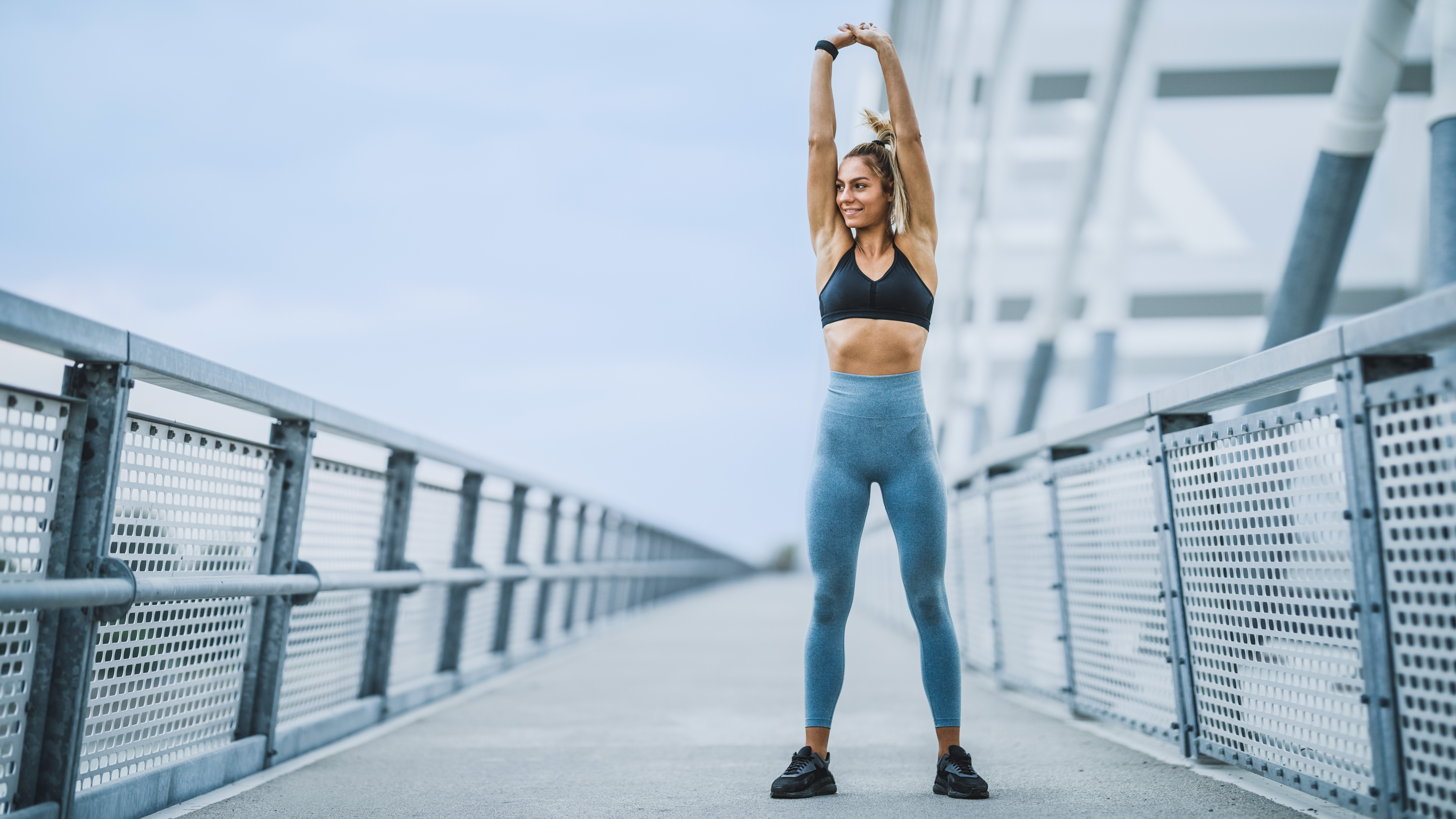
Image from www.tomsguide.com.
Core Elements of Walking Yoga
Walking yoga is built on several core elements that distinguish it from other forms of exercise. These include:
- Mindful Walking: Paying attention to each step and breath, fostering a meditative state.
- Yoga Poses: Integrating simple yoga postures into your walk to enhance flexibility and strength.
- Breath Awareness: Synchronizing your breathing with your steps to promote relaxation and focus.
- Connection to Nature: Engaging with your environment to enhance mindfulness and appreciation.
Each of these elements plays a crucial role in the practice of walking yoga. By focusing on mindful walking, you learn to appreciate the rhythm of your steps and the sensation of the ground beneath your feet. Incorporating yoga poses helps to improve your physical fitness, while breath awareness keeps you centered and calm. Finally, connecting with nature adds an extra layer of tranquility and joy to the experience.
Health Benefits of Walking Yoga
Walking yoga offers a wide range of health benefits that extend beyond traditional yoga or walking alone. By combining these practices, you can achieve a more balanced and holistic approach to wellness.
- Walking yoga enhances cardiovascular health by increasing your heart rate through continuous movement.
- It improves flexibility and muscle tone by incorporating yoga stretches and poses into your routine.
- The practice promotes mental clarity and reduces stress through mindfulness and breath awareness.
- It fosters a sense of connection with nature, enhancing your overall sense of well-being.
One of the most significant advantages of walking yoga is its ability to improve physical fitness and flexibility. By combining the cardiovascular benefits of walking with the strength and flexibility gains from yoga, you can create a well-rounded exercise routine that supports your overall health. Additionally, the mindfulness component of walking yoga helps to reduce stress and enhance mental clarity, providing a sense of calm and focus that extends beyond your practice.
Boosting Physical Fitness and Flexibility
Walking yoga is an excellent way to boost your physical fitness and flexibility. The continuous movement of walking increases your heart rate, improving cardiovascular health and endurance. Meanwhile, the incorporation of yoga poses helps to stretch and strengthen your muscles, enhancing flexibility and balance. This combination of movement and stretching provides a comprehensive workout that benefits your entire body.
Stress Reduction and Mental Clarity
One of the most appealing aspects of walking yoga is its ability to reduce stress and enhance mental clarity. By focusing on your breath and the rhythm of your steps, you can enter a meditative state that promotes relaxation and mindfulness. This practice encourages you to let go of stress and distractions, allowing you to be fully present in the moment. As a result, you’ll find that your mind becomes clearer and more focused, enhancing your overall sense of well-being.
Besides that, the act of walking itself is known to release endorphins, the body’s natural mood elevators. When combined with the calming effects of yoga, walking yoga becomes a powerful tool for stress relief and mental rejuvenation. Whether you’re dealing with a busy schedule, work-related stress, or simply need a mental reset, walking yoga can provide the clarity and peace of mind you’re seeking. For a deeper relaxation experience, consider trying a 1-hour yin yoga session.
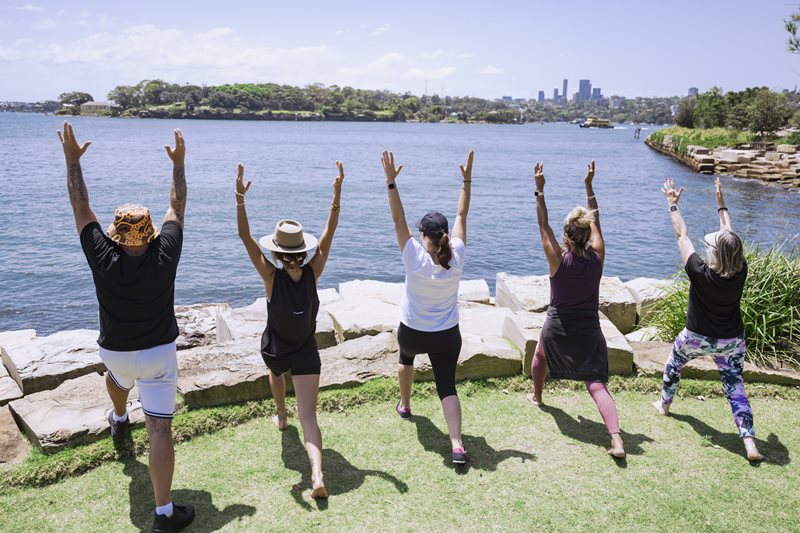
Image from www.barangaroo.com.
Social and Community Connection Opportunities
Walking yoga not only benefits the individual but also provides opportunities for social and community connections. Practicing walking yoga with a group can enhance your experience by offering support, motivation, and a sense of belonging. Sharing the journey with others allows you to learn from each other, exchange tips, and celebrate progress together.
Joining a walking yoga group or class can be a great way to meet like-minded individuals who share your interest in mindfulness and wellness. You might find that these connections lead to lasting friendships and a supportive community that encourages you to maintain your practice! Furthermore, participating in group activities can make the experience more enjoyable and help you stay committed to your wellness goals.
Practical Techniques and Tips for Walking Yoga
Embarking on a walking yoga journey requires some practical considerations to ensure a fulfilling experience. The right techniques and tips can make a significant difference in how you practice and enjoy walking yoga. Let’s explore some essential aspects that will guide you on your journey.
Choosing the Ideal Path and Environment
The first step in practicing walking yoga is selecting the right path and environment. Ideally, choose a location that is peaceful, safe, and free from distractions. Parks, nature trails, or quiet neighborhood streets are excellent options. These settings allow you to immerse yourself in nature, enhancing the mindfulness aspect of your practice.
When choosing a path, consider the terrain and your comfort level. Flat, even surfaces are ideal for beginners, while more challenging trails can offer additional physical benefits for advanced practitioners. Regardless of your choice, ensure that the environment aligns with your preferences and enhances your walking yoga experience, rather than distracting from it.
Incorporating Breathwork and Meditation
Breathwork and meditation are integral components of walking yoga. As you walk, focus on your breathing, synchronizing it with your steps. For example, inhale for three steps and exhale for three steps. This rhythmic breathing helps to calm the mind and bring awareness to the present moment. For more insights, check out this Walking Yoga guide on Yoga Basics.
Besides breathing, incorporate short meditation sessions into your walk. Pause occasionally to close your eyes, take deep breaths, and reflect on your surroundings. This practice not only enhances mindfulness but also deepens your connection with nature and yourself.
Integrating Simple Asanas and Stretching
To fully benefit from walking yoga, incorporate simple yoga poses and stretches into your routine. These movements enhance flexibility, strength, and balance. Some easy poses to integrate include:
- Tree Pose: Stand on one leg, placing the sole of the opposite foot on the inner thigh, and balance.
- Warrior I: Step forward with one leg, bend the knee, and extend your arms overhead.
- Standing Forward Bend: Hinge at the hips and reach towards the ground, keeping the legs straight.
Incorporate these poses at intervals during your walk, holding each for a few breaths. This approach not only improves your physical fitness but also enhances your overall walking yoga experience.

Image from blog.mypacer.com.
Setting a Comfortable Pace and Duration
When practicing walking yoga, it’s crucial to find a pace and duration that suits your fitness level and goals. Start with a comfortable walking speed that allows you to maintain steady breathing and focus. As you become more accustomed to the practice, gradually increase your pace to challenge yourself.
In terms of duration, aim for at least 20 to 30 minutes of walking yoga per session. This timeframe provides ample opportunity to integrate mindfulness, breathwork, and yoga poses into your routine. As you progress, you can extend the duration to further enhance the benefits.
Example: Jane, a beginner in walking yoga, started with 15-minute sessions in her local park. Over time, she increased her walks to 45 minutes, incorporating more challenging poses and meditation breaks. This gradual progression helped her build confidence and improve her overall wellness.
Remember, the key is to listen to your body and adjust the pace and duration as needed. Walking yoga should be an enjoyable and sustainable practice that aligns with your personal goals and preferences.
Adapting to Different Physical Abilities
Walking yoga is an inclusive practice that can be adapted to suit various physical abilities. Whether you’re a seasoned yogi or new to exercise, walking yoga can be customized to meet your needs. If you have physical limitations or injuries, consider modifying poses and reducing the intensity of your walk.
For those with limited mobility, focus on gentle movements and seated poses that promote flexibility and relaxation. Remember that the primary goal of walking yoga is to foster mindfulness and well-being, so adapt the practice to ensure it remains safe and enjoyable for you.
Ultimately, walking yoga is about embracing the journey and finding joy in the process! By adapting the practice to your unique abilities, you can experience the full range of benefits and cultivate a mindful lifestyle.
How to Start Practicing Walking Yoga
Embarking on a walking yoga journey is a rewarding endeavor that requires minimal preparation. Whether you’re a beginner or an experienced practitioner, starting walking yoga is simple and accessible. Here’s how you can begin your practice.
Example: Sarah, a busy professional, wanted to incorporate mindfulness into her daily routine. She started walking yoga by dedicating 20 minutes each morning to a mindful walk around her neighborhood. This practice helped her feel more centered and focused throughout the day.
Begin by setting aside time in your schedule for walking yoga. Choose a location that inspires you and aligns with your preferences. Equip yourself with comfortable clothing and supportive footwear to ensure a pleasant experience.
Start with short sessions and gradually increase the duration as you become more comfortable. Incorporate the techniques and tips outlined earlier, such as breathwork, meditation, and yoga poses. Most importantly, enjoy the process and allow yourself to connect with the present moment!
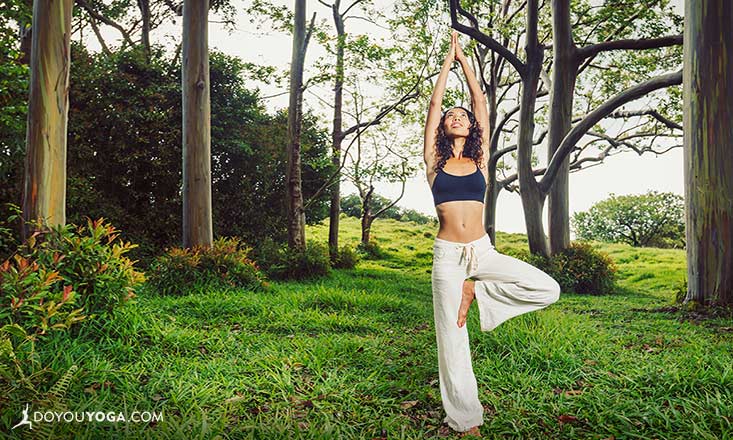
Image from www.doyou.com.
Getting Started for Beginners
If you’re new to walking yoga, begin by familiarizing yourself with basic yoga poses and breathing techniques. Practice these at home to build confidence before integrating them into your walk. Consider joining a beginner-friendly walking yoga class or group for guidance and support.
As a beginner, focus on consistency rather than intensity. Aim to practice walking yoga regularly, even if it’s just for a few minutes each day. Over time, you’ll notice improvements in your physical fitness, mental clarity, and overall well-being.
Remember, the journey of walking yoga is unique to each individual. Embrace the process, stay patient, and celebrate your progress along the way.
Equipment and Attire Recommendations
One of the best things about walking yoga is its simplicity. You don’t need any fancy equipment to get started. Comfortable clothing that allows for a full range of motion is essential. Think breathable fabrics that wick away sweat, such as cotton or moisture-wicking synthetics. Opt for layers if you’re practicing outdoors, so you can adjust to changing temperatures.
Footwear is another important consideration. Choose supportive walking shoes that provide cushioning and stability. Avoid shoes that are too tight or restrictive, as they can impede your movement and comfort. If you’re walking on uneven terrain, consider shoes with a bit more grip for added security.
In terms of accessories, a water bottle is a must to stay hydrated, especially during longer sessions. If you’re incorporating meditation into your practice, a small cushion or mat might be helpful for seated poses. Remember, the goal is to feel comfortable and free to move, so choose attire and equipment that support this intention.
:max_bytes(150000):strip_icc()/3432463-GettyImages-1292452767-c4bf4b40bee242fc9fe858a35766ee58.jpg)
Image from www.verywellfit.com.
Building a Consistent Routine
Consistency is key when it comes to reaping the benefits of walking yoga. Start by scheduling regular sessions in your calendar, treating them as important appointments with yourself. Aim for at least three sessions per week, gradually increasing the frequency as you become more comfortable with the practice.
It’s also beneficial to establish a routine that includes both morning and evening walks. Morning sessions can energize you for the day ahead, while evening walks help you unwind and reflect. By building a consistent routine, you’ll create a sustainable practice that enhances your overall well-being.
Finding Classes or Forming Groups
Joining a walking yoga class or group can enhance your practice by providing structure, guidance, and community support. Look for local yoga studios, community centers, or wellness groups that offer walking yoga sessions. These classes often cater to different skill levels, ensuring that you find a group that matches your experience and goals.
If you prefer a more personalized approach, consider forming your own walking yoga group with friends or family. This allows you to tailor the practice to your preferences and schedule. Plus, practicing with others can be motivating and fun, making it easier to stay committed to your routine!
Frequently Asked Questions
Walking yoga is a versatile practice that can be tailored to suit individual needs and preferences. Here are some common questions and answers to help you better understand and embrace this mindful lifestyle.
Can anyone practice walking yoga?
Absolutely! Walking yoga is accessible to people of all ages and fitness levels. Whether you’re a seasoned yogi or a complete beginner, you can adapt the practice to meet your needs. The key is to listen to your body and make modifications as necessary.
For those with physical limitations, focus on gentle movements and seated poses. Walking yoga is about fostering mindfulness and well-being, so prioritize comfort and safety in your practice.
- Beginners can start with short sessions and gradually increase duration.
- Advanced practitioners can challenge themselves with more complex poses and longer walks.
- People with physical limitations can adapt poses to ensure safety and comfort.
Do I need special equipment for walking yoga?
No special equipment is required for walking yoga, making it an accessible and low-cost practice. All you need is comfortable clothing, supportive footwear, and a peaceful path to walk on. A water bottle is recommended to stay hydrated, especially during longer sessions.
If you plan to incorporate meditation or seated poses, a small cushion or mat can enhance your comfort. Remember, the focus is on mindfulness and movement, so choose attire and accessories that support these goals.
How often should I practice walking yoga for best results?
For optimal benefits, aim to practice walking yoga at least three times per week. Consistency is crucial in building a sustainable routine and experiencing the full range of physical and mental benefits. As you become more comfortable with the practice, consider increasing the frequency to daily sessions.
What should I wear for walking yoga?
Choose clothing that is comfortable, breathable, and allows for a full range of motion. Opt for moisture-wicking fabrics to stay cool and dry, especially during warmer weather. Layering is advisable if you’re practicing outdoors, so you can adjust to changing temperatures.
Footwear should be supportive and comfortable, providing cushioning and stability for your walks. Avoid shoes that are too tight or restrictive, as they can hinder your movement and comfort. The goal is to feel free and comfortable, allowing you to fully immerse yourself in the practice.
Is walking yoga effective for stress relief?
Yes, walking yoga is highly effective for stress relief. By combining mindful walking, breathwork, and yoga poses, you can enter a meditative state that promotes relaxation and mental clarity. This practice encourages you to let go of stress and distractions, allowing you to be fully present in the moment.
Furthermore, the act of walking itself releases endorphins, the body’s natural mood elevators. When combined with the calming effects of yoga, walking yoga becomes a powerful tool for stress relief and mental rejuvenation! Whether you’re dealing with a busy schedule, work-related stress, or simply need a mental reset, walking yoga can provide the clarity and peace of mind you’re seeking.


