

Bamboo yoga blocks: Healthier for you, healthier for the environment. Here’s how switching to bamboo blocks can make your yoga practice more sustainable…
Article Summary:
- Bamboo yoga blocks offer a sustainable alternative to traditional foam blocks, reducing your carbon footprint while enhancing your practice.
- Bamboo grows up to 3 feet per day, making it one of the most renewable resources on Earth for eco-conscious yogis.
- Unlike conventional blocks, bamboo yoga props are naturally antimicrobial and don’t off-gas harmful chemicals into your home environment.
- Choosing bamboo yoga blocks aligns your practice values with your equipment choices, creating a more mindful approach to yoga.
Your yoga mat isn’t the only place where balance matters! The growing environmental crisis demands we reconsider every purchase, including the humble yoga block. Traditional foam blocks might seem harmless, but their environmental footprint tells a different story.
The journey toward sustainable yoga practice begins with understanding our equipment choices. For example, Hugger Mugger’s commitment to eco-friendly yoga accessories represents a growing movement of conscious practitioners seeking to align their values with their practice. Their bamboo yoga blocks demonstrate how sustainable materials can enhance both performance and planetary health.
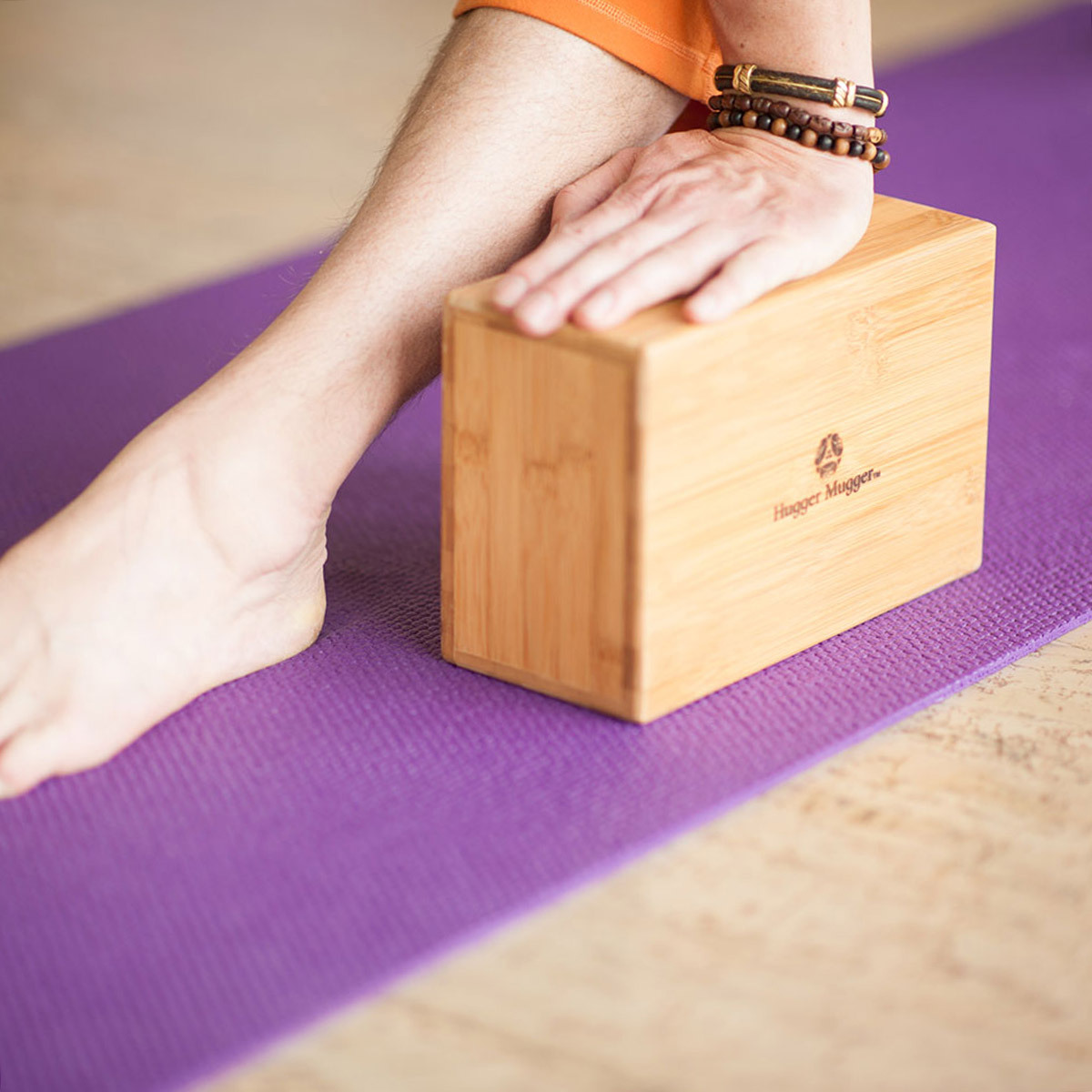
Image from www.huggermugger.com.
As you roll out your mat today, consider this: the props supporting your body could also be supporting a healthier planet! Let’s explore how bamboo yoga blocks offer a path to more sustainable practice.
Why Your Yoga Practice Could Be Harming the Planet
The yoga industry’s environmental impact remains largely unexamined despite the practice’s focus on mindfulness and connection. With over 36 million practitioners in the US alone, the collective footprint of yoga equipment is substantial. Each foam block eventually reaches end-of-life, contributing to our growing waste crisis.
Many yogis strive for consciousness on the mat but unconsciously participate in harmful production cycles. The disconnect between yoga’s principles and its material culture represents an opportunity for meaningful change through intentional choices.
The Hidden Environmental Cost of Traditional Yoga Blocks
Beyond the visible waste problem, traditional yoga props carry hidden environmental costs throughout their lifecycle. From raw material extraction to manufacturing and disposal, each stage generates environmental harm that rarely factors into purchasing decisions.
The true cost of a conventional yoga block extends far beyond its price tag. When we account for carbon emissions, chemical pollution, and waste generation, the environmental ledger reveals a significant debt to the planet.
Plastic and Foam Block Production Issues
Standard EVA foam yoga blocks derive from petroleum—a non-renewable resource whose extraction causes habitat destruction, water pollution, and greenhouse gas emissions. The manufacturing process requires energy-intensive facilities that convert raw petroleum into expanded foam through chemical processes.
The production releases volatile organic compounds (VOCs) and other toxins that contribute to air pollution and worker health issues. A single foam block’s creation generates approximately 2.5 pounds of carbon emissions—before even considering transportation to retail locations!
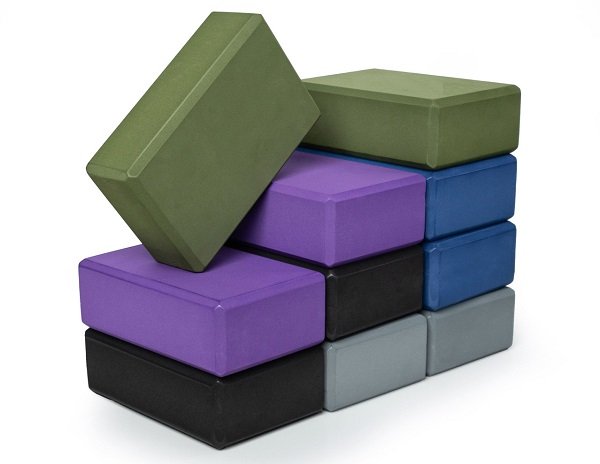
Image from www.wholesaleyogamats.com.
Cheap foam blocks often contain chemical additives like phthalates, formaldehyde, and flame retardants that persist in the environment for generations after disposal. These chemicals can leach into groundwater when blocks eventually reach landfills.
Environmental Impact: Foam vs. Bamboo Yoga Blocks
Foam Block: 2.5 pounds CO2 emissions, petroleum-based, 500+ years to decompose
Bamboo Block: 0.8 pounds CO2 emissions, renewable resource, biodegradable.Source: Materials Sustainability Research Group
Non-Biodegradable Materials in Landfills
When foam yoga blocks reach the end of their useful life, they face a troubling fate. Unlike natural materials, petroleum-based foam doesn’t biodegrade—it photodegrades, breaking down into microplastics that contaminate soil and water systems for centuries. A single foam block can take over 500 years to decompose, outliving its user by many generations!
The volume is staggering: an estimated 1.2 million yoga blocks enter landfills annually in North America alone. As yoga’s popularity continues to grow globally, this waste stream expands proportionally. These discarded blocks create a physical legacy that contradicts yoga’s philosophical foundation of non-harm.
Chemical Off-Gassing and Indoor Air Quality
The environmental impact of foam blocks extends into your personal space through off-gassing. New foam blocks release volatile organic compounds (VOCs) into your home environment for months after purchase. These invisible emissions can trigger respiratory issues, headaches, and other health concerns in sensitive individuals.
The chemicals that make foam blocks soft and flexible continue to evaporate at room temperature, creating a subtle but persistent source of indoor air pollution. This contradiction—using props that potentially harm health during a practice meant to enhance wellbeing—highlights the need for more conscious equipment choices.
Bamboo: The Sustainable Superstar Material
Bamboo stands as nature’s marvel of efficient design. While often categorized as a wood, bamboo is actually a grass—the fastest growing plant on earth! This remarkable growth rate allows bamboo to be harvested repeatedly from the same plant, creating a truly renewable resource cycle unlike any other building material.
The environmental benefits begin at cultivation. Bamboo requires no artificial irrigation in most growing regions, thriving on natural rainfall alone. Its extensive root system prevents soil erosion while naturally filtering and purifying groundwater, making bamboo cultivation actively beneficial for local ecosystems.
How Bamboo Grows 100x Faster Than Hardwoods
The growth rate of bamboo defies conventional understanding of plant development. While hardwoods like oak might grow 2-3 inches annually, certain bamboo species can grow up to 35 inches in a single day under ideal conditions. This remarkable growth means bamboo can be harvested in 3-5 years, compared to 50-100 years for traditional hardwoods used in manufacturing. This is why green yogis often choose bamboo products for their rapid renewability and minimal environmental impact.
This rapid regeneration cycle means bamboo plantations produce up to 20 times more timber per acre than traditional forests. The math is compelling: bamboo’s yield-to-time ratio makes it arguably the most efficient natural building material on earth, producing significantly more usable material with substantially less land.
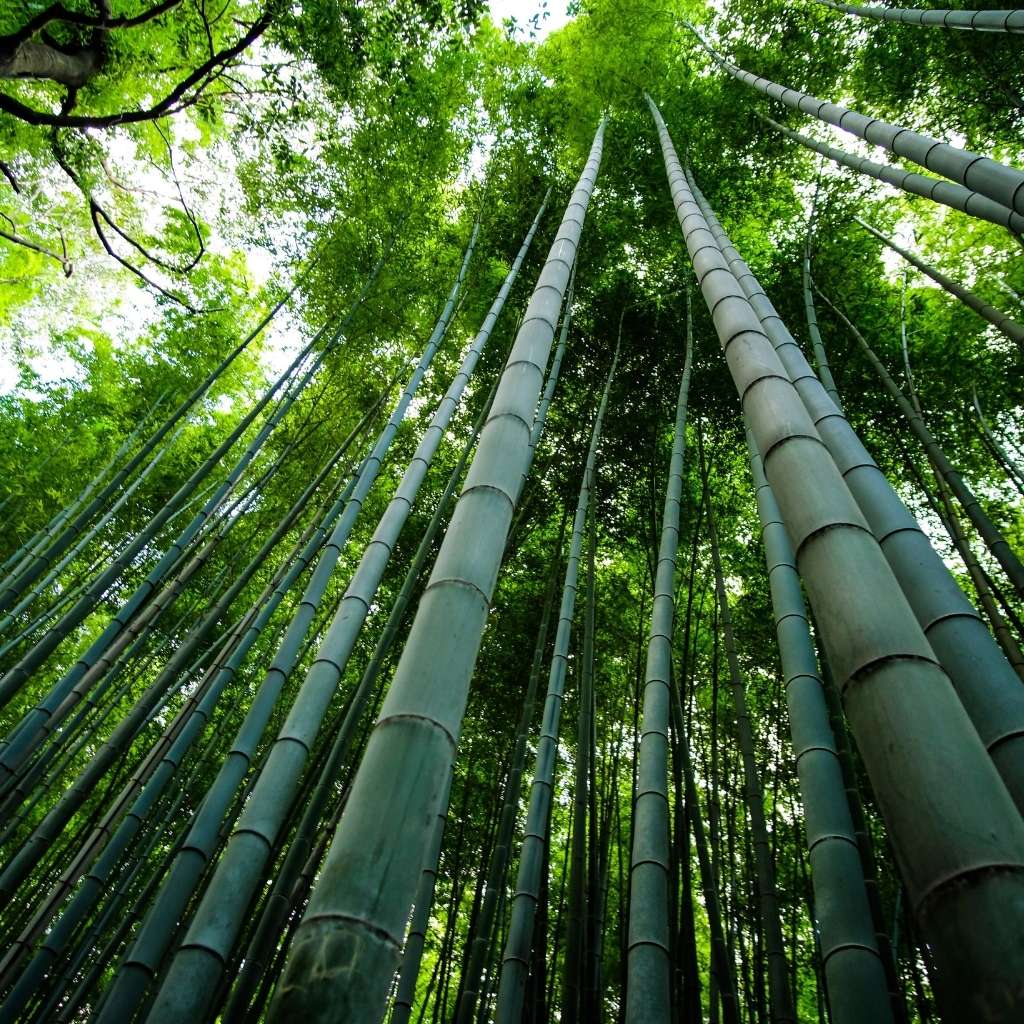
Image from jungleculture.eco.
Minimal Water and Pesticide Requirements
Bamboo’s natural resistance to pests eliminates the need for harmful pesticides during cultivation. Its dense growth and natural antimicrobial properties create a self-protecting ecosystem that thrives without chemical intervention. This resistance extends to the finished product, making bamboo yoga blocks naturally hygienic without chemical treatments.
Water conservation represents another significant advantage. Bamboo requires approximately 1/3 the water of conventional timber crops, thriving in regions with natural rainfall patterns. This efficiency reduces pressure on local water supplies and eliminates the energy consumption associated with irrigation systems.
Carbon Sequestration Benefits
Bamboo functions as a remarkable carbon sink, absorbing up to 12 tons of carbon dioxide per hectare annually—significantly more than equivalent timber forests. This extraordinary carbon sequestration capacity makes bamboo plantations active participants in climate change mitigation rather than merely neutral materials.
The carbon benefits continue throughout the product lifecycle. Bamboo yoga blocks store carbon throughout their useful life, keeping it sequestered rather than released into the atmosphere. When eventually discarded, bamboo blocks biodegrade without releasing methane (unlike many organic materials in landfills), completing an environmentally responsible lifecycle.
Harvesting Without Killing the Plant
Perhaps bamboo’s most remarkable sustainability feature is its harvest method. Unlike trees that must be completely cut down, bamboo stalks can be selectively harvested from the same plant repeatedly. The extensive root system remains intact, immediately beginning to produce new shoots without replanting or disruption to the ecosystem.
This selective harvesting creates a continuous supply without deforestation or habitat destruction. Mature bamboo stems are cut at the base, while younger stalks continue growing undisturbed. This process allows a single bamboo plant to provide material for decades while continuously regenerating, representing true sustainability in material sourcing.
6 Key Benefits of Bamboo Yoga Blocks
Beyond environmental advantages, bamboo yoga blocks offer distinct performance benefits that enhance practice. The material’s unique properties create yoga props that support both body and planet through thoughtful design and superior functionality. For more sustainable yoga gear, check out this review for green yogis.
1. Exceptional Durability and Longevity
Bamboo’s tensile strength exceeds many conventional building materials, including several steel alloys. This remarkable strength comes from bamboo’s naturally evolved structure—dense fibers arranged in a tubular form optimized for flexibility and durability. When compressed into yoga blocks, these properties create exceptionally resilient props that resist crushing, splintering, or deformation.
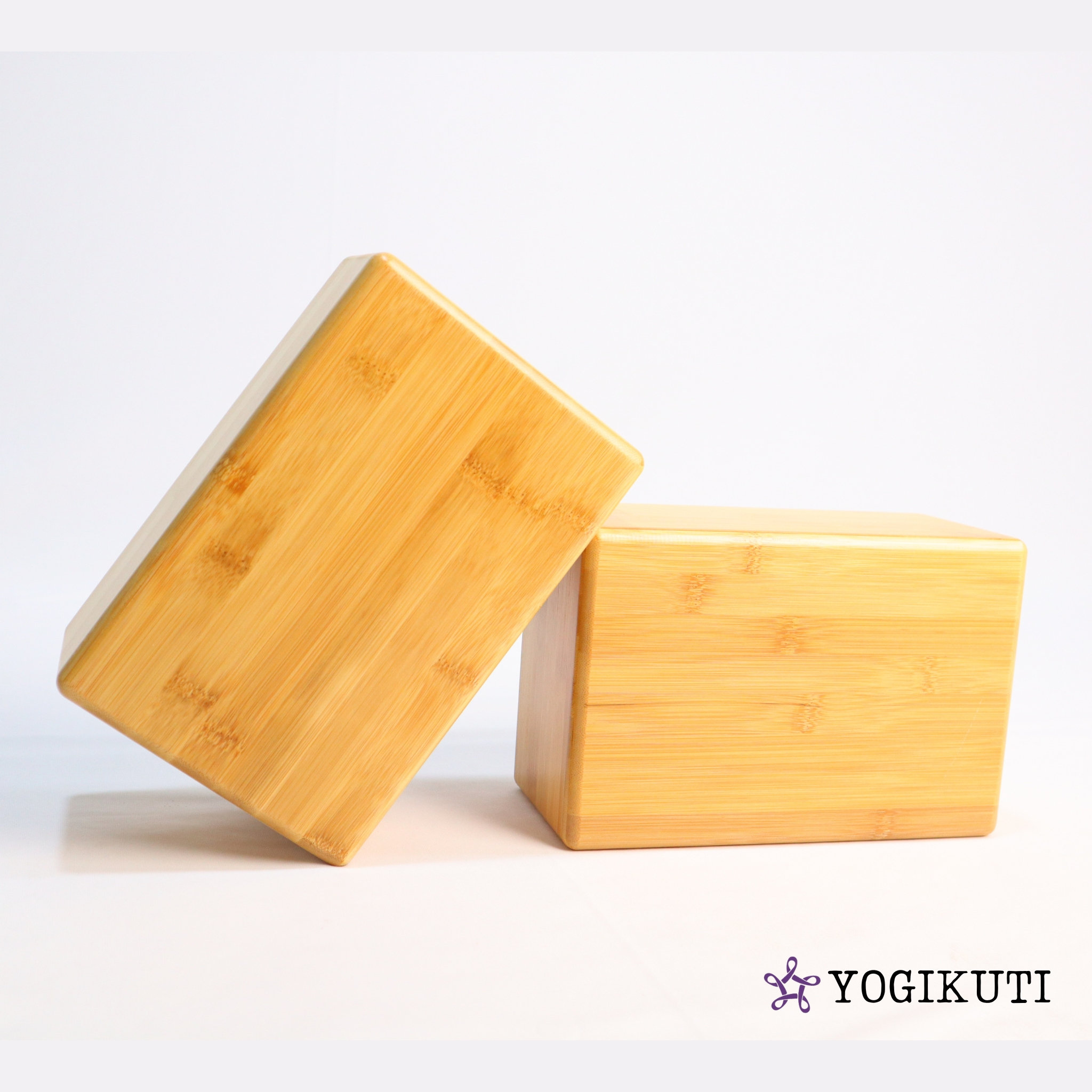
Image from www.etsy.com.
This natural durability translates to longevity. While foam blocks compress and degrade over time, bamboo blocks maintain their shape and structural integrity through years of regular use. This extended useful life reduces replacement frequency and creates better value despite the initially higher investment cost.
2. Natural Anti-Microbial Properties
| Property | Bamboo Blocks | Traditional Foam Blocks |
|---|---|---|
| Microbial Resistance | Naturally antimicrobial | Can harbor bacteria and fungi |
| Odor Resistance | Resists odors without treatment | Absorbs sweat and develops odor |
| Cleaning Requirements | Simple wipe-down | Needs regular deep cleaning |
Bamboo contains a natural antimicrobial agent called “bamboo kun” that prevents bacterial and fungal growth on the material surface. This bio-agent remains active in the processed material, creating yoga blocks that naturally resist mold, mildew, and bacterial colonization without chemical treatments or additives.
For practitioners, this antimicrobial property translates to cleaner props that resist odor development even with regular use. Unlike foam blocks that can absorb sweat and harbor microorganisms, bamboo maintains a naturally hygienic surface that requires minimal maintenance to remain fresh and clean.
The health implications extend beyond personal hygiene. In studio settings where blocks are shared among multiple users, bamboo’s natural resistance to microbial growth reduces cross-contamination risk and extends the hygienic lifespan of communal props.
For those with respiratory sensitivities or allergies, bamboo blocks provide a naturally hypoallergenic alternative to conventional materials. The absence of dust-trapping porous surfaces combined with resistance to mold creates props that support rather than compromise respiratory health during practice.
3. Firm Support and Stability for Poses
The density and rigidity of bamboo create blocks that provide unwavering support during challenging poses. Unlike foam blocks that compress under pressure, bamboo maintains its structural integrity even when supporting your full body weight. This stability creates confidence during balance-intensive poses and allows for consistent alignment feedback.
The material’s natural tensile strength makes bamboo blocks particularly valuable for weight-bearing asanas where stability is paramount. Advanced practitioners appreciate the solid foundation that facilitates deeper expression of poses without the subtle shifting or compression that can occur with softer materials.

Image from www.amazon.com.
4. Lightweight Yet Strong Design
Despite their impressive strength, properly designed bamboo yoga blocks maintain a surprisingly lightweight profile. Many manufacturers utilize hollow-core construction techniques that reduce weight while maintaining structural integrity. This thoughtful engineering creates blocks that combine the stability of solid materials with the portability needed for today’s mobile yoga practitioners.
The natural hollowness of bamboo stalks inspires this efficient design approach. By mimicking bamboo’s natural structure – strong exterior walls with hollow interiors – block makers create props that distribute weight evenly while minimizing material usage. This balance of strength and weight makes bamboo blocks particularly suitable for travel or practitioners who prefer carrying their own props to class.
5. Beautiful Aesthetic That Enhances Your Space
Beyond functional benefits, bamboo blocks bring natural beauty to practice spaces. The material’s warm honey tones and subtle grain patterns create visually appealing props that enhance rather than detract from carefully designed yoga environments. This natural aesthetic connects practitioners to the organic world during practice, reinforcing yoga’s connection to nature.
Many practitioners report that beautiful, natural props inspire more consistent practice! The visual appeal of bamboo creates props you’ll want to display rather than hide away, making them more accessible for impromptu practice sessions. This subtle encouragement toward regular practice represents an often overlooked benefit of investing in quality, aesthetically pleasing props.
6. Zero Toxic Chemicals or Off-Gassing
Perhaps the most immediate health benefit of bamboo blocks is what they don’t contain. Unlike foam alternatives that may release VOCs and other chemicals, bamboo blocks contain no harmful additives that can compromise indoor air quality. This absence of chemical off-gassing creates a truly clean prop that supports rather than potentially undermines health during practice.
For those creating dedicated home yoga spaces, this chemical-free quality becomes particularly significant. The cumulative effect of multiple non-toxic props contributes to healthier indoor air quality in spaces dedicated to wellbeing. Bamboo’s natural properties eliminate the need for synthetic additives while providing superior performance, creating a rare win-win for both health and functionality.
How Bamboo Blocks Compare to Other Eco Options
The sustainable yoga prop market offers several alternatives to conventional foam, each with distinct environmental and performance profiles. Understanding these differences helps practitioners make informed choices aligned with their specific values and practice needs. While all eco-friendly options represent improvements over conventional materials, their sustainability profiles differ in meaningful ways.
Bamboo vs. Cork: Strength and Sustainability Differences
Cork blocks represent another popular sustainable option, harvested from the bark of cork oak trees without harming the living tree. While cork shares bamboo’s renewable sourcing, the harvesting cycle differs dramatically—cork oak trees can only be harvested every 9-12 years, while bamboo regenerates continuously. This slower regeneration makes cork a less rapidly renewable resource, though still significantly more sustainable than petroleum-based alternatives.
Performance differences also distinguish these materials. Cork offers excellent grip and a slightly softer feel, with natural give that some practitioners prefer for certain poses. Bamboo provides firmer support and superior structural integrity for weight-bearing poses, with less compression under pressure. This difference makes bamboo particularly suitable for practitioners who require unwavering stability and firm support in their practice.
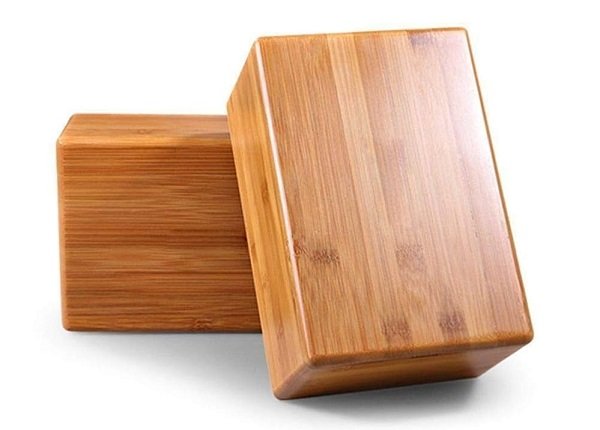
Image from rilmac.org.
Bamboo vs. Recycled Foam: Performance Comparison
Recycled foam blocks address waste concerns by repurposing existing materials rather than creating new petroleum products. While this approach reduces landfill impact, recycled foam maintains many of the same performance limitations as conventional foam—gradually compressing with use and offering less stability than solid materials. The processing required for foam recycling also creates its own environmental footprint, though certainly less than virgin material production.
Bamboo offers distinct performance advantages over recycled foam, including greater durability, superior stability, and natural antimicrobial properties. While recycled foam represents an improvement over conventional blocks from a waste perspective, bamboo offers a truly renewable alternative that combines superior performance with sustainable sourcing from the beginning of its lifecycle.
What to Look for When Buying Bamboo Blocks
Not all bamboo yoga blocks offer the same environmental benefits or performance qualities. Manufacturing practices, sourcing standards, and construction methods significantly impact both sustainability and functionality. Informed consumers should consider several key factors when selecting bamboo yoga props to ensure they receive genuine environmental and performance benefits.
Certification Standards That Matter
Legitimate environmental claims should be backed by recognized certification standards. Look for FSC (Forest Stewardship Council) certification, which verifies sustainable harvesting practices and responsible forest management. This certification ensures your bamboo blocks come from plantations that maintain ecosystem health rather than contributing to habitat destruction.
Additional certifications to consider include Rainforest Alliance certification for products supporting biodiversity and fair labor practices, and OEKO-TEX certification for products verified free from harmful chemicals. These standards provide third-party verification of environmental and social responsibility claims, helping consumers identify truly sustainable options in a market sometimes clouded by greenwashing.
Construction Quality Indicators
Physical inspection reveals much about a bamboo block’s quality and durability. Look for smooth, splinter-free surfaces with tightly fitted joints and minimal glue lines. Quality blocks feature precision construction with carefully finished edges that won’t snag clothing or skin during practice. The weight should feel substantial but not excessive, indicating proper material density for durability without unnecessary bulk.
Consider construction methods that maximize bamboo’s natural properties. Blocks utilizing bamboo’s grain direction for strength, with layers oriented to resist warping or splitting, will provide superior performance and longevity. Quality manufacturers leverage bamboo’s natural characteristics through thoughtful engineering rather than treating it as a simple wood substitute.
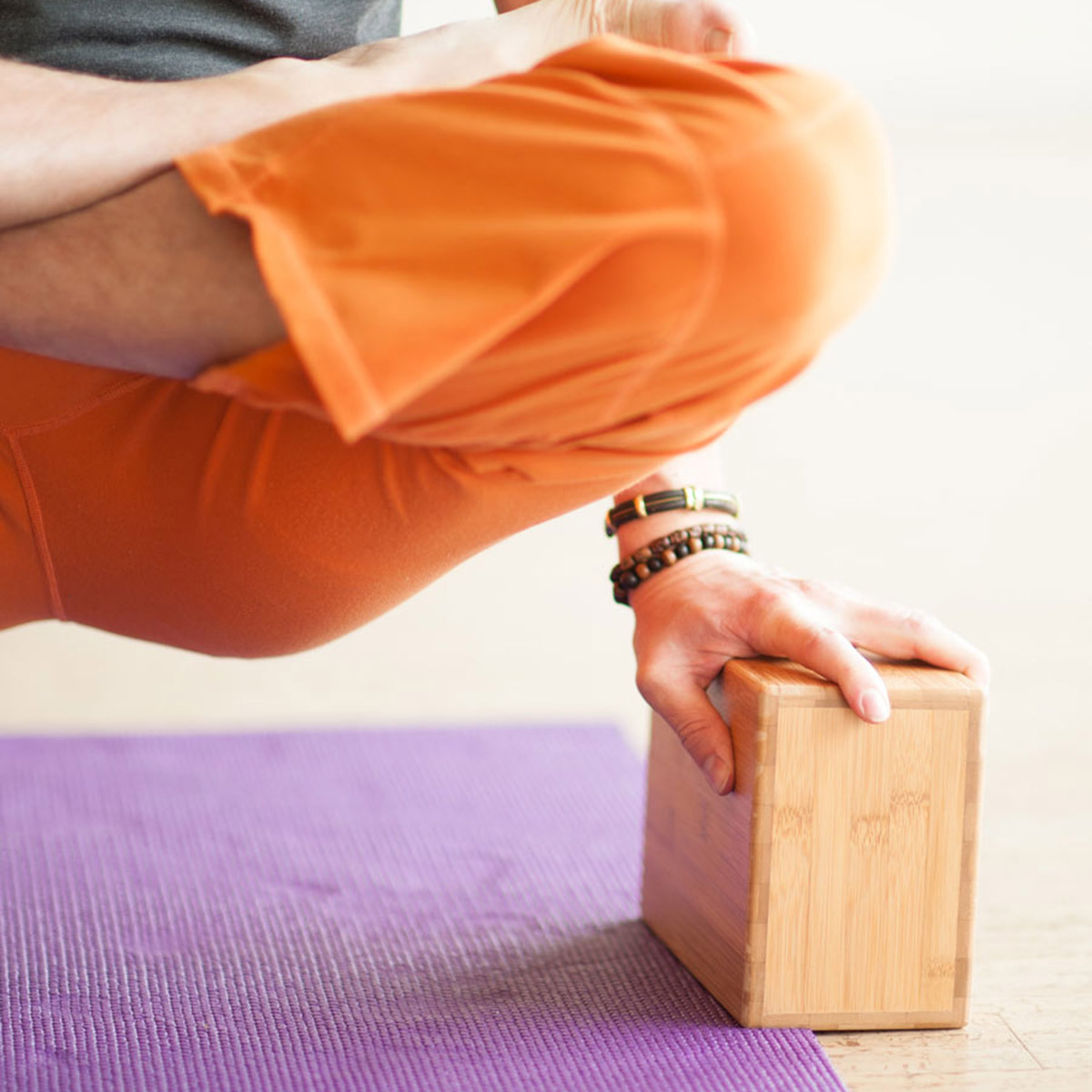
Image from www.huggermugger.com.
Ethical Manufacturing Practices
True sustainability encompasses social responsibility alongside environmental concerns. Seek manufacturers who provide transparency about working conditions and fair labor practices throughout their supply chain. Ethical producers typically highlight their commitment to worker wellbeing alongside environmental standards, recognizing that truly sustainable products cannot come at the expense of human welfare.
Leading manufacturers often highlight community investment in bamboo-growing regions, supporting sustainable livelihoods alongside sustainable materials. This holistic approach ensures your purchase contributes to positive social impact while reducing environmental harm, aligning with yoga’s broader ethical framework of non-harm and mindful action. For those interested in sustainable yoga products, here’s a comparison of some of the best eco-friendly yoga mats.
Proper Care for Maximum Lifespan
Extending your bamboo blocks’ useful life maximizes their environmental benefits while protecting your investment. Proper maintenance requires minimal effort but significantly impacts longevity, especially in varied practice environments. With appropriate care, quality bamboo blocks can serve your practice for many years, further reducing their already low environmental footprint through extended use.
Cleaning Methods That Preserve Integrity
Bamboo’s natural resistance to bacteria and fungi simplifies cleaning requirements compared to porous materials. For routine maintenance, simply wipe blocks with a slightly damp cloth to remove dust and surface residue. For deeper cleaning, use a mild solution of water with a few drops of tea tree or lemon essential oil, which provides natural antimicrobial properties without harsh chemicals that might damage the bamboo’s finish.
Storage Tips to Prevent Damage
While bamboo resists moisture better than many woods, extreme conditions can still affect performance over time. Store blocks in moderate temperature and humidity environments, avoiding direct sunlight which can cause color changes or warping over time. Keep blocks elevated off potentially damp floors, especially in studio environments where moisture levels might fluctuate.
Consider dedicating a specific shelf or container for your yoga props, keeping them visible and accessible while protected from potential damage. This organized approach not only preserves your equipment but also encourages regular practice by maintaining prop accessibility and visibility within your space.
Real Environmental Impact: By the Numbers
The environmental benefits of bamboo yoga blocks extend beyond conceptual sustainability into measurable impact. Quantifiable metrics reveal significant differences in resource consumption, carbon emissions, and waste generation throughout the product lifecycle. These concrete measurements help practitioners understand the tangible environmental benefits of their conscious purchasing decisions.
Carbon Footprint Reduction Compared to Standard Blocks
Life cycle assessment studies demonstrate that bamboo yoga blocks generate approximately 60-70% less carbon emissions than conventional foam alternatives when accounting for material production, manufacturing, transportation, and disposal. This significant reduction stems primarily from bamboo’s natural carbon sequestration during growth and the minimal processing required compared to petroleum-based materials.
The carbon advantage increases further when considering bamboo’s carbon-negative growth phase, where actively growing bamboo absorbs more carbon than is released during manufacturing. Some bamboo plantations sequester up to 12 tons of carbon per hectare annually, creating a significant carbon benefit before manufacturing even begins. This pre-manufacturing advantage means bamboo blocks start with a carbon credit rather than a carbon debt in their lifecycle accounting.
Waste Reduction Throughout Product Lifecycle
Bamboo manufacturing generates approximately 90% less waste than conventional foam block production. The material’s natural structure allows for efficient cutting patterns that maximize yield, while manufacturing byproducts like bamboo dust and small scraps can be repurposed as biofuel or composted rather than sent to landfills. This closed-loop manufacturing approach dramatically reduces waste generation compared to petroleum-based alternatives.
Aligning Your Yoga Values with Your Equipment Choices
Yoga philosophy emphasizes principles like ahimsa (non-harm) and aparigraha (non-possessiveness or mindful consumption). Sustainable prop choices offer a tangible way to extend these principles beyond the mat into material choices that reflect core values. By selecting bamboo blocks and other sustainable equipment, practitioners create greater alignment between their practice philosophy and physical tools.
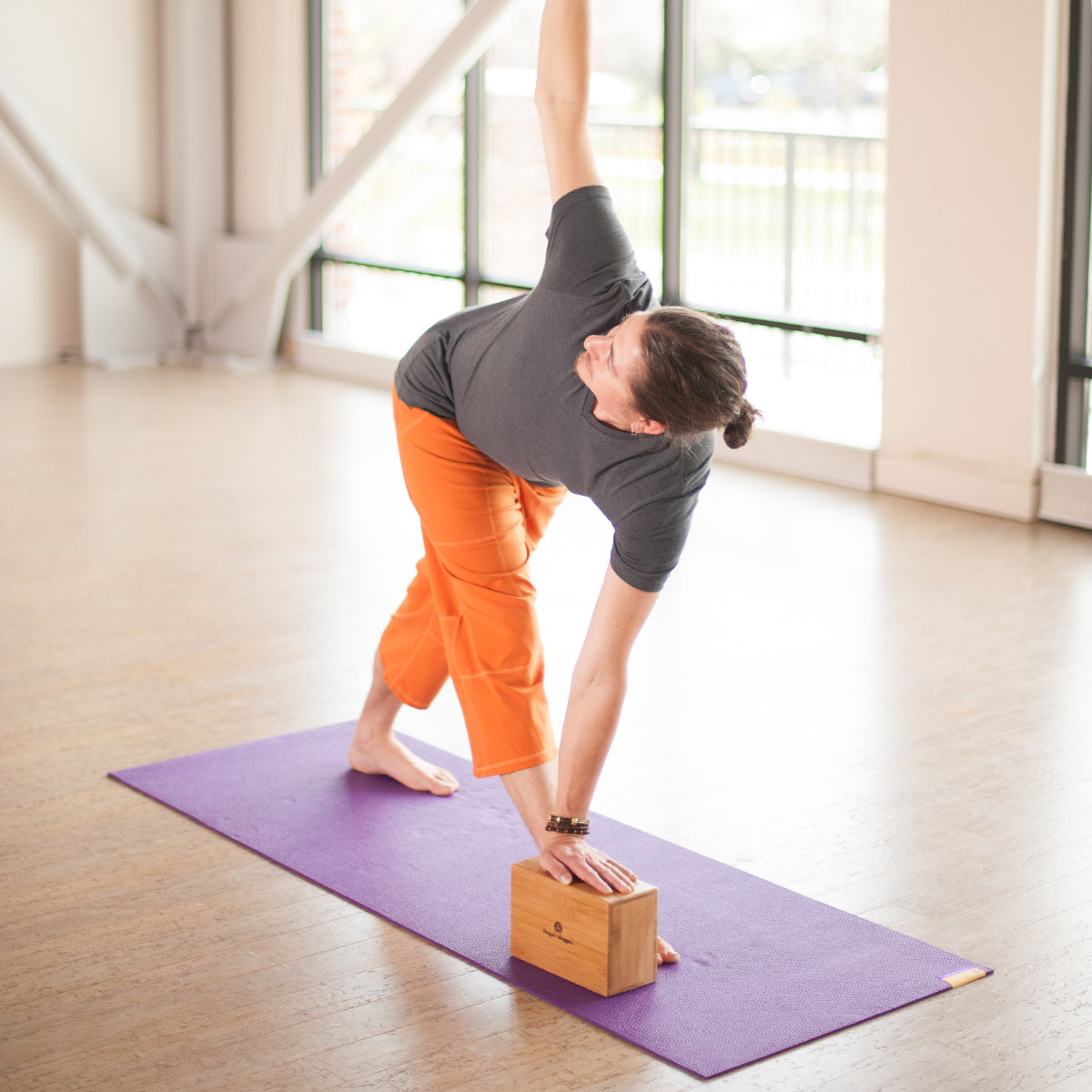
Image from www.huggermugger.com.
This alignment creates what psychologists call “value congruence”—the satisfaction and wellbeing that comes from living in accordance with your beliefs. For many practitioners, sustainable equipment choices reduce the cognitive dissonance that might otherwise arise from practicing mindfulness using tools that harm the environment. This congruence enhances practice by creating seamless connection between values, actions, and equipment.
Frequently Asked Questions
As bamboo yoga blocks grow in popularity, practitioners naturally have questions about their practical use and environmental credentials. Understanding these common concerns helps inform purchasing decisions and maximizes satisfaction with sustainable prop choices.
These questions reflect the practical considerations that arise when transitioning from conventional props to sustainable alternatives. While environmental benefits drive many purchasing decisions, performance concerns naturally influence satisfaction with the final product. Fortunately, quality bamboo blocks excel in both categories.
Beyond these specific questions, many practitioners wonder about the true impact of individual purchasing choices. While no single yoga block will solve environmental challenges, collective shifts in consumer behavior send powerful market signals that drive broader industry change. Each sustainable purchase represents both immediate impact reduction and contribution to market transformation toward more responsible production models.
How much weight can bamboo yoga blocks support?
Quality bamboo yoga blocks can typically support over 250 pounds of direct pressure without compromising structural integrity. This capacity exceeds the requirements of most yoga practices, including weight-bearing poses where significant body weight transfers to the block. The material’s natural tensile strength—greater pound-for-pound than many steel alloys—creates exceptional load-bearing capacity despite the lightweight design.
The specific weight capacity depends on construction methods and design details. Solid bamboo blocks generally offer greater weight support than hollow-core designs, though well-engineered hollow blocks still exceed the practical requirements of yoga practice. For practitioners concerned about weight capacity for specific poses, manufacturers can typically provide specific weight rating information for their products.
- Solid bamboo blocks: 250-300+ pounds weight capacity
- Hollow-core bamboo blocks: 150-200+ pounds typically
- Reinforced corners provide additional stability for balance poses
- Weight distribution matters more than total weight for most applications
For most practitioners, bamboo blocks provide more than sufficient support for even the most demanding poses. The material’s natural strength creates confidence in challenging postures where stability directly impacts both safety and proper alignment.
Do bamboo yoga blocks absorb sweat or odors?
Unlike porous foam blocks that can absorb moisture and trap odors, properly finished bamboo blocks resist both sweat absorption and odor retention. The material’s natural density and sealed surface prevent moisture penetration that might otherwise lead to bacterial growth or persistent odors. This resistance makes bamboo blocks particularly suitable for vigorous practices where perspiration is expected.
Most quality bamboo blocks feature natural oil or water-based finishes that enhance this moisture resistance without introducing harmful chemicals. These finishes create a protective barrier that allows easy cleaning while maintaining the material’s natural antimicrobial properties. For practitioners concerned about hygiene during intense practice, this non-absorbent quality provides significant advantages over conventional alternatives.
Are bamboo yoga blocks suitable for hot yoga practices?
Bamboo yoga blocks perform exceptionally well in hot yoga environments where high temperature and humidity might compromise other materials. The wood’s natural stability across temperature ranges prevents warping or degradation even in heated studios. Additionally, bamboo’s smooth, sealed surface provides reliable grip even when hands are perspiring heavily during challenging sequences.
The material’s natural antimicrobial properties become particularly valuable in hot yoga settings where warm, humid conditions might otherwise promote bacterial growth on props. Bamboo’s resistance to both moisture absorption and microbial colonization creates more hygienic props for these demanding practice environments, reducing both maintenance requirements and hygiene concerns.
For studio owners, bamboo blocks offer particular advantages in hot yoga settings. Their durability under temperature fluctuations and resistance to humidity damage extends useful life in these challenging environments, while simplified cleaning requirements reduce maintenance time between classes. These practical benefits complement the environmental advantages, creating compelling value for high-volume studio applications.
What’s the average lifespan of a bamboo yoga block?
Quality bamboo yoga blocks typically last 8-10 years or more with proper care, significantly outlasting foam alternatives that might need replacement every 1-2 years with regular use. This extended lifespan not only reduces waste but also dramatically improves the lifetime value proposition despite higher initial purchase costs. When amortized over their useful life, bamboo blocks often represent the most economical option despite higher upfront investment. For those considering other sustainable yoga products, you might want to explore durable yoga mats as well.
How can I verify if my bamboo block was sustainably harvested?
Look for established certification symbols on packaging or product descriptions, including FSC certification, which verifies responsible forest management practices. Reputable manufacturers provide transparency about sourcing regions and harvesting methods, often highlighting specific sustainability initiatives in bamboo-growing communities. These details demonstrate commitment to environmental responsibility beyond marketing claims.
Additionally, investigate the manufacturer’s broader environmental commitments. Companies truly dedicated to sustainability typically implement responsible practices throughout their operations, including energy-efficient manufacturing, minimal packaging, and carbon offset programs. This comprehensive approach indicates genuine commitment rather than isolated green marketing claims.
Featured Image from Amazon.com.


