
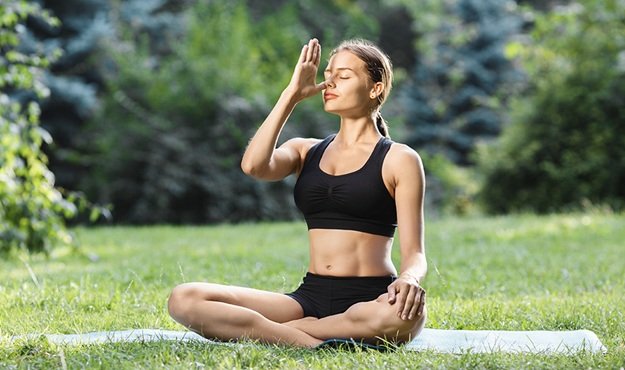
Enhance your yoga practice & your physical & mental health by adding Pranayama to your daily routine. Here’s a comprehensive guide to understanding & practicing the fourth limb of yoga…
- Pranayama is the fourth limb of yoga as defined by Patanjali in the Yoga Sutras, and it goes far beyond simple breathing exercises — it is the conscious regulation of your life force energy.
- There are five core techniques every beginner should know: Nadi Shodhana, Kapalabhati, Ujjayi, Bhramari, and Bhastrika — each producing different effects on the mind and body.
- Research supports pranayama for reducing anxiety, improving lung function, lowering blood pressure, and activating the parasympathetic nervous system.
- You don’t need a full yoga practice to benefit — even five minutes of conscious breathwork daily can produce measurable changes in stress levels and mental clarity.
- Certain techniques are not safe for everyone — breath retention practices carry specific contraindications, including heart conditions, high blood pressure, and pregnancy. Keep reading to find out which techniques are right for you.
Pranayama Is More Than Just Breathing
Most people breathe roughly 20,000 times a day without thinking about it once — pranayama changes that entirely.
While modern wellness culture often packages breathwork as a stress-relief tool, pranayama is a 5,000-year-old science rooted in yogic philosophy. It is precise, structured, and when practiced correctly, one of the most powerful tools available for transforming both physical health and mental clarity! For anyone looking to go deeper into what yoga actually offers, understanding pranayama is essential.

Image from lifespa.com.
What Pranayama Actually Means
Pranayama is a Sanskrit compound word with layers of meaning that English translations rarely capture fully. Understanding what it actually means changes how you approach the practice.
The Sanskrit Roots: Prana and Ayama
The word breaks into two parts: prana and ayama. Prana means vital life force — the energy that animates every living thing. It is not just breath, though breath is its most accessible expression. Ayama carries multiple meanings: expansion, length, regulation, and control. Put together, pranayama literally means the expansion and regulation of your vital life force energy — not simply “breathing exercises.”
Why Pranayama Is Called the Fourth Limb of Yoga
In Patanjali’s Yoga Sutras, yoga is organized into eight limbs — a progressive path from ethical conduct to spiritual liberation. Pranayama sits at the fourth limb, positioned deliberately between the physical postures (asana) and the internal practices of sense withdrawal (pratyahara) and meditation (dharana, dhyana). This placement is not arbitrary.
Patanjali understood that the breath is the bridge between the body and the mind. In Sutra 2.49, he defines pranayama as “stopping the flow of inhalation and exhalation.” In Sutra 1.34, he states that mental steadiness “may also result from the exhalation and retention of breath.” The implication is clear: control your breath, and you begin to control your mind.
The Eight Limbs of Yoga (Ashtanga)
The Eight Limbs of Yoga, also known as Ashtanga, are integral to understanding the practice and philosophy of yoga. These limbs provide a comprehensive guide to living a meaningful and purposeful life. One of these limbs, Pranayama, focuses on breath control and is essential for mastering the art of yoga.
| Limb | Sanskrit Name | Meaning |
|---|---|---|
| 1st | Yama | Ethical restraints |
| 2nd | Niyama | Personal observances |
| 3rd | Asana | Physical postures |
| 4th | Pranayama | Breath regulation / life force expansion |
| 5th | Pratyahara | Withdrawal of senses |
| 6th | Dharana | Concentration |
| 7th | Dhyana | Meditation |
| 8th | Samadhi | Absorption / liberation |
How Pranayama Differs From Normal Breathing
Normal breathing is involuntary and shallow — most people breathe from the chest, taking in far less oxygen than their lungs are capable of holding. Pranayama is the opposite: it is fully conscious, deliberate, and structured. It involves precise ratios of inhalation, retention, and exhalation, often combined with specific body positions and hand gestures called mudras. This intentional control is what separates pranayama from any generic “take a deep breath” advice.
The Four Core Elements of Every Pranayama Practice
Every pranayama technique, regardless of its name or complexity, is built from the same four foundational elements. Knowing these makes learning any new technique significantly easier.
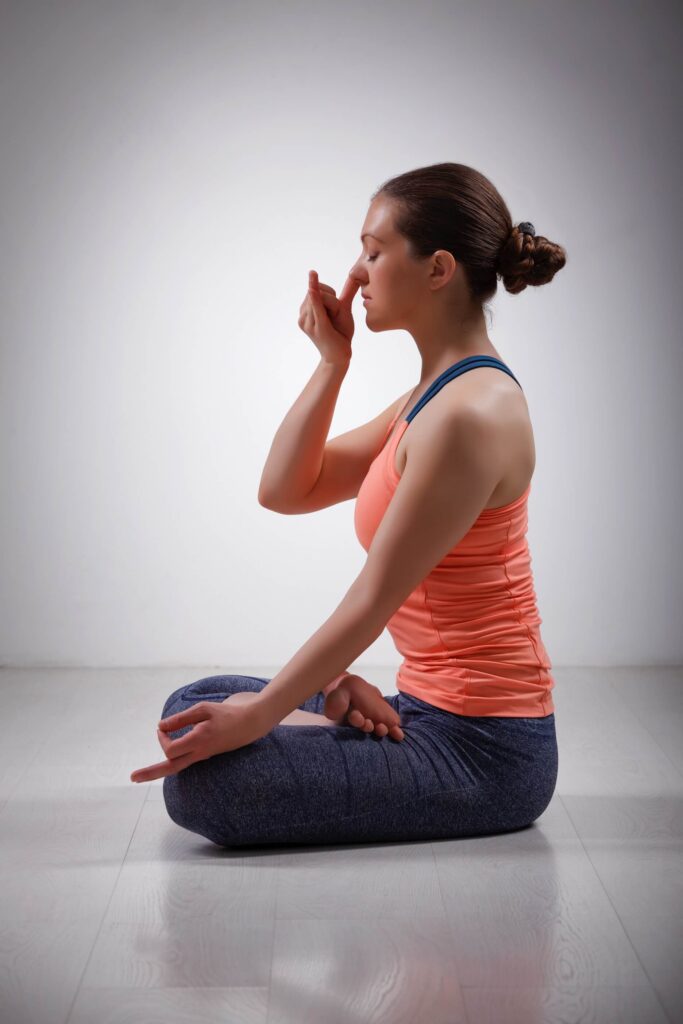
Image from www.rishikulyogshalarishikesh.com.
Puraka: Controlled Inhalation
Puraka is the inhalation phase. In pranayama, inhalation is never passive — it is controlled, measured, and directed. Depending on the technique, the breath may be drawn in through one nostril, both nostrils, or the mouth, and it is typically timed to a specific count. The breath is guided consciously into the lower lungs first, then the mid-chest, then the upper chest — a process called diaphragmatic or three-part breathing.
Mastering puraka alone can significantly improve respiratory efficiency. Most untrained breathers use only a fraction of their total lung capacity during daily breathing.
Kumbhaka: Breath Retention
Kumbhaka is the retention of breath, and it comes in two forms. Antah Kumbhaka is internal retention — holding the breath after a full inhalation. Bahih Kumbhaka is external retention — holding after a complete exhalation. Retention is the most advanced and physiologically powerful element of pranayama, directly affecting carbon dioxide levels, nervous system tone, and the movement of prana through the body’s energy channels.
Rechaka: Controlled Exhalation
Rechaka is the exhalation phase. In pranayama, the exhale is typically longer than the inhale — often double the count — and this ratio is intentional. A longer exhale activates the parasympathetic nervous system, slowing the heart rate and signaling safety to the brain. Ancient texts from the Hatha Yoga Pradipika describe rechaka as the phase that purifies the body, releasing not just carbon dioxide but stagnant prana.
The Most Effective Pranayama Techniques
With dozens of named pranayama techniques in classical texts, knowing where to start matters. These five are the most widely practiced, best supported by research, and most relevant for modern health goals.

Image from www.mirayogashala.com.
Nadi Shodhana: Alternate Nostril Breathing
Nadi Shodhana, which translates to “channel purification,” is one of the most balanced and widely recommended pranayama techniques for beginners and advanced practitioners alike. The practice involves alternating the breath between the left and right nostrils using the fingers to gently close one nostril at a time.
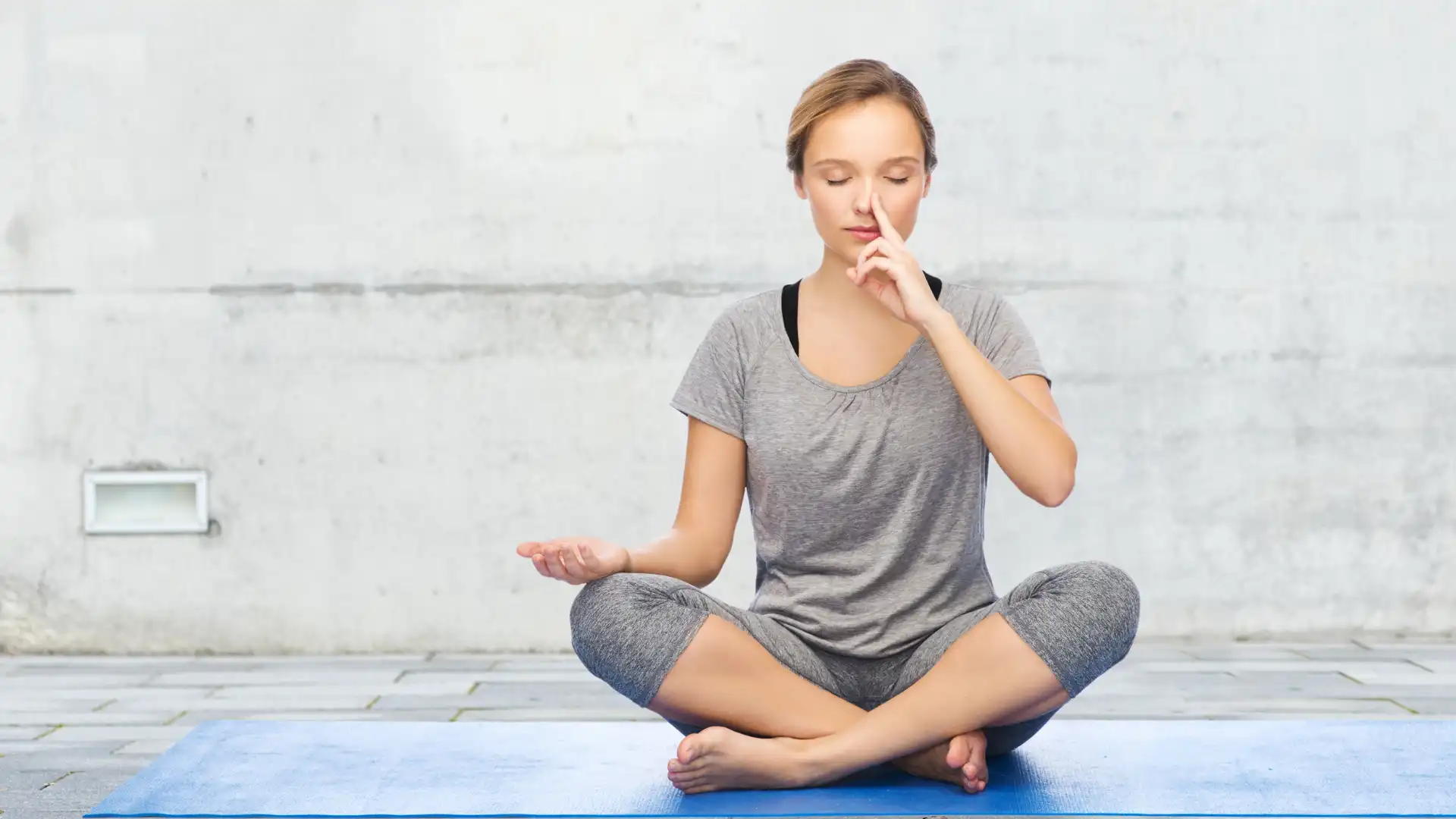
Image from yogauonline.com.
Here is how to practice it:
- Sit comfortably with your spine straight.
- Use your right hand, placing your thumb over the right nostril and your ring finger over the left.
- Close the right nostril and inhale slowly through the left for a count of four.
- Close both nostrils and hold briefly — or skip retention if you’re a beginner.
- Release the right nostril and exhale fully for a count of eight.
- Inhale through the right nostril for four counts.
- Close both, then exhale through the left for eight counts.
- This completes one full cycle. Begin with five cycles and work up from there.
See the full tutorial here for more details.
Kapalabhati: Skull-Shining Breath
Kapalabhati — literally meaning “skull shining” — is a dynamic, energizing technique that flips the normal breathing pattern on its head. Instead of active inhalation and passive exhalation, Kapalabhati uses forceful, rapid exhalations driven by sharp contractions of the abdominal muscles, while the inhalation happens passively on its own. This makes it both a pranayama technique and a cleansing practice, or kriya, in classical yoga texts.
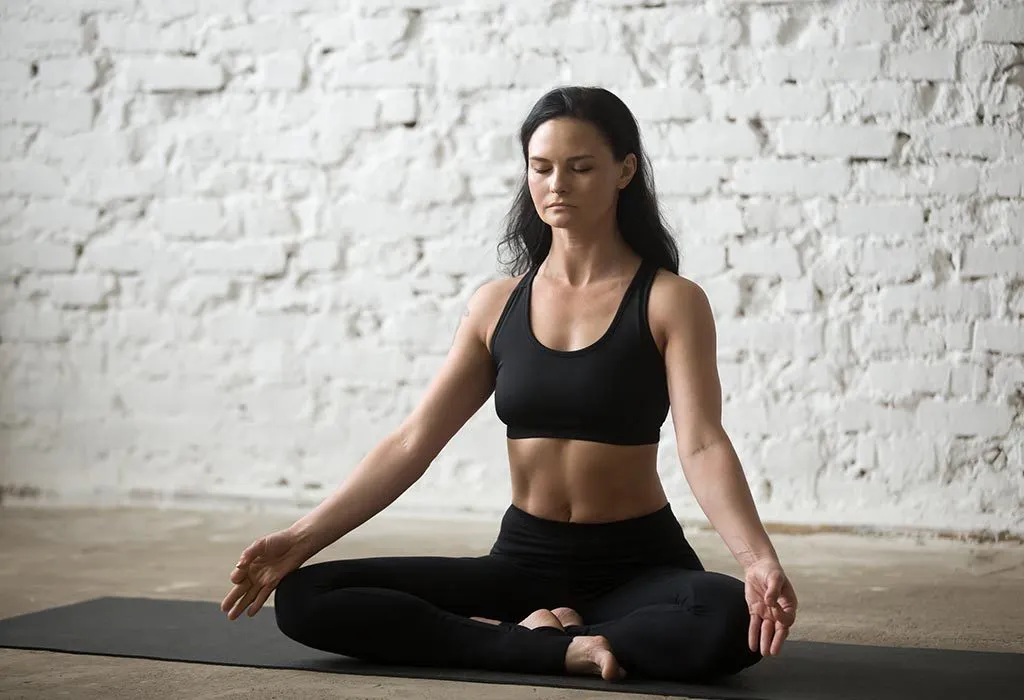
Image from www.iafaforallergy.com.
To practice it, sit with your spine tall, take a natural breath in, then sharply pull your navel toward your spine to force the air out. Let the inhale happen automatically. Start with one exhale per second, practicing 20 to 30 pumps per round, then rest and observe. Kapalabhati is not recommended for those who are pregnant, have high blood pressure, or suffer from acid reflux or hernias — the abdominal pressure is significant and real.
See the full tutorial here.
Ujjayi: Ocean Breath
Ujjayi, often called “ocean breath” or “victorious breath,” is the pranayama most commonly practiced during physical yoga sequences. It is performed by slightly constricting the back of the throat — the glottis — during both inhalation and exhalation, creating a soft, audible sound that resembles ocean waves or the breath of Darth Vader. This constriction slows the breath naturally, extends both the inhale and exhale, and generates mild internal heat. The technique is particularly effective at maintaining focus during movement and is one of the most accessible pranayamas for daily use.
Learn how to do Ujjayi breathing here.

Image from bodynova.de.
Bhramari: Humming Bee Breath
Bhramari takes its name from the Indian black bee, and for good reason — the defining feature of this technique is a humming sound produced on every exhale. To practice it, close your eyes, inhale through both nostrils, then exhale slowly while making a steady “mmm” sound. The vibration created resonates through the skull, the sinuses, and the vagus nerve, producing an almost immediate calming effect. Research has noted its ability to reduce heart rate and calm the nervous system rapidly, making it one of the most effective techniques for acute anxiety or agitation.

Image from www.rishikulyogshalarishikesh.com.
Bhastrika: Bellows Breath
Where Kapalabhati uses only forceful exhalations, Bhastrika — bellows breath — uses both forceful inhalations and exhalations in rapid succession, like a blacksmith’s bellows pumping air. This makes it significantly more intense. A typical round involves 10 to 20 rapid breath cycles followed by a deep inhale, full retention for as long as comfortable, and a slow exhale. Bhastrika dramatically increases oxygen levels, generates body heat, and is considered one of the most stimulating of all pranayama techniques. It should only be introduced after mastering slower techniques and is contraindicated for anyone with cardiovascular issues or respiratory conditions.

Image from www.shvasa.com.
The Proven Health Benefits of Pranayama
The health claims around pranayama are no longer confined to ancient texts and yoga studios. A growing body of peer-reviewed research is confirming what practitioners have observed for centuries: deliberate breath control produces measurable, significant changes in the body and brain.
The range of benefits is broad — from cardiovascular markers to psychological wellbeing — and the mechanisms behind them are increasingly well understood. Here is what the research and clinical evidence actually shows.
How Pranayama Reduces Stress and Anxiety
The connection between pranayama and anxiety reduction is one of the most consistently supported findings in breathwork research. Slow, controlled breathing techniques — particularly those with extended exhalations — directly lower cortisol levels and reduce the physiological markers of stress. The extended exhale triggers the parasympathetic branch of the autonomic nervous system, effectively hitting a biological “pause” on the stress response.
Techniques like Nadi Shodhana and Bhramari are especially effective here. Studies have shown that even a single session of alternate nostril breathing can produce a measurable reduction in perceived anxiety. For chronic stress and generalized anxiety, a consistent daily pranayama practice of as little as 10 minutes has been shown to produce cumulative improvements over time — without side effects.
Respiratory Improvements Backed by Research
Pranayama has a well-documented impact on lung function. Regular practice has been associated with increased vital capacity — the maximum amount of air your lungs can hold and expel — as well as improvements in forced expiratory volume, a key marker of respiratory efficiency. These gains are particularly significant for people managing asthma, chronic obstructive pulmonary disease (COPD), or recovering from respiratory illness.
Slow-paced pranayama techniques train the diaphragm to function more efficiently as the primary breathing muscle, reducing the over-reliance on accessory muscles in the neck and shoulders that contributes to shallow, dysfunctional breathing patterns. Over weeks of consistent practice, the resting breathing rate typically decreases — a sign of improved respiratory economy and nervous system regulation.
Pranayama for Cardiovascular Health
Slow pranayama, practiced at roughly five to six breath cycles per minute, has been shown to lower resting blood pressure and improve heart rate variability (HRV) — a key indicator of cardiovascular health and resilience. High HRV is associated with better stress adaptation, stronger immune function, and reduced risk of cardiovascular disease. Pranayama achieves this by directly modulating the autonomic nervous system’s influence on the heart, synchronizing breathing with the body’s natural cardiovascular rhythms in a process called respiratory sinus arrhythmia.
Kapalabhati and Bhastrika, the more vigorous techniques, show different cardiovascular effects — temporarily increasing heart rate and circulation during practice, then producing a rebound relaxation effect afterward. The net result, practiced regularly, is improved cardiovascular tone and adaptability.

Image from www.drishtiyogaschool.com.
Mental Clarity and Emotional Balance
Beyond stress reduction, pranayama practitioners consistently report improvements in focus, mental clarity, and emotional stability. Techniques like Kapalabhati have been linked to increased alertness and cognitive performance, likely due to the rapid increase in oxygen delivery to the brain. Meanwhile, slower techniques like Nadi Shodhana are associated with improved hemispheric balance — a state where both sides of the brain are working in greater synchrony — which supports clearer thinking and more measured emotional responses.
How Pranayama Affects the Nervous System
To understand why pranayama works, you need to understand its relationship with the autonomic nervous system. This is the system that regulates everything you don’t consciously control — heart rate, digestion, immune response, and the stress response. It operates in two primary modes: sympathetic (fight-or-flight) and parasympathetic (rest-and-digest).
Most people living with chronic stress are stuck in a state of sympathetic dominance — always on, always reactive. Pranayama is one of the few practices that gives you direct, voluntary access to shifting this state, because breath is the only autonomic function you can also consciously control.
The Vagus Nerve and Slow Breathing
The vagus nerve is the longest cranial nerve in the body, running from the brainstem down through the heart, lungs, and digestive system. It is the primary pathway of the parasympathetic nervous system, and slow, diaphragmatic breathing directly stimulates it. Every extended exhale sends a signal through the vagus nerve that slows the heart, calms the gut, and reduces inflammation. Techniques like Bhramari amplify this effect through the added vibration of humming, which creates additional vagal stimulation through the tissues of the throat and chest.
Sympathetic vs. Parasympathetic Activation
Different pranayama techniques deliberately target different nervous system states. Rapid techniques like Bhastrika and Kapalabhati activate the sympathetic nervous system — increasing alertness, energy, and metabolic rate. Slow techniques like Nadi Shodhana, Ujjayi, and Bhramari shift activation toward the parasympathetic system — promoting recovery, calm, and digestive function. This means pranayama is not a one-size-fits-all practice: the technique you choose should match the physiological state you are trying to move toward, not simply the one that feels most familiar.
How to Start a Pranayama Practice as a Beginner
Starting pranayama does not require a yoga studio membership, special equipment, or years of experience. What it does require is consistency, a basic understanding of technique, and the willingness to start simply and build gradually.
The Right Posture and Environment
Posture is not a minor detail in pranayama — it is foundational. The spine must be erect to allow the diaphragm to move freely and the breath to travel through the body without restriction. Sit cross-legged on the floor with a folded blanket under your hips if needed, or sit upright in a chair with both feet flat on the ground. The chin should be parallel to the floor, shoulders relaxed, and hands resting on the knees. Lying down is generally not recommended for pranayama, as it encourages sleep rather than the focused awareness the practice requires.
Choose a quiet, well-ventilated space — fresh air matters more than people realize. Practice on an empty stomach, ideally in the morning before eating, or at least two to three hours after a meal. Early morning practice, when the mind is naturally quieter, tends to yield the most consistent results for beginners.
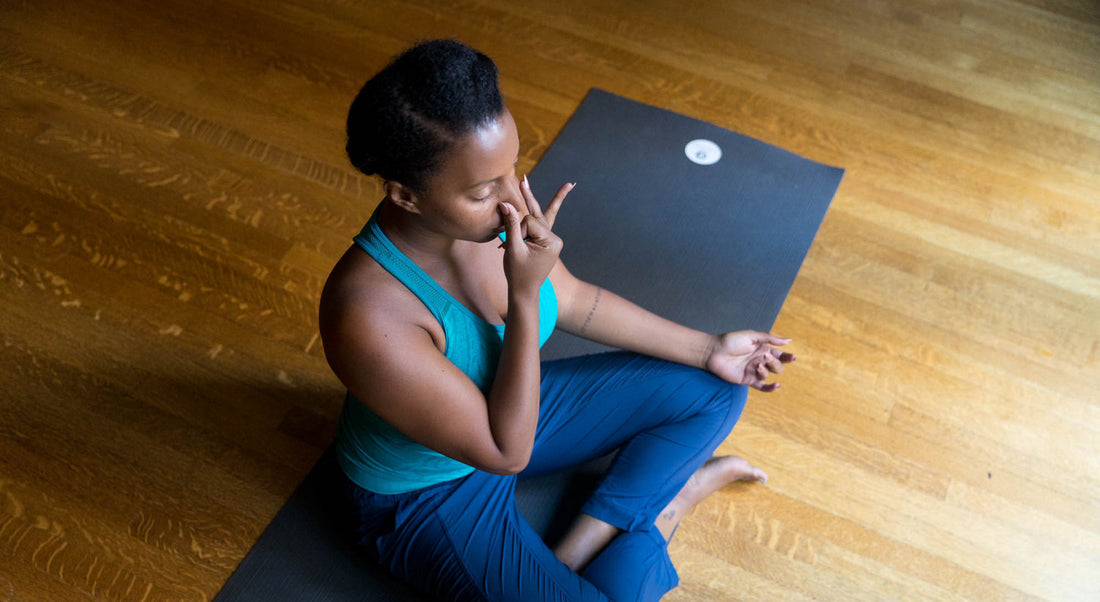
Image from www.banyanbotanicals.com.
How Long and How Often to Practice
Five minutes a day is a legitimate starting point — and more effective than a 30-minute session done once a week. The nervous system responds to regularity, not duration, especially in the early stages of practice.
A simple beginner structure that works well looks like this:
- Week 1–2: Five minutes of Nadi Shodhana daily — four counts in, eight counts out, no retention.
- Week 3–4: Extend to 10 minutes, adding two to three minutes of Bhramari at the end of your session.
- Month 2: Introduce Ujjayi during your yoga practice or as a standalone technique, building to 15-minute sessions.
- Month 3 and beyond: Begin exploring Kapalabhati and Bhastrika under the guidance of an experienced teacher before attempting breath retention practices.
Traditionally, pranayama is practiced in the morning, before or after asana. Some techniques, like Bhramari and Nadi Shodhana, also work well in the evening to support sleep. The key principle is that stimulating techniques — Kapalabhati and Bhastrika — are morning practices, while calming techniques are appropriate at any time of day.
Common Mistakes That Reduce Results
The most common mistake beginners make is forcing the breath — pushing the inhale to maximum capacity or straining through retentions before the body is ready. Pranayama should never feel effortful to the point of discomfort. Lightheadedness, tingling in the extremities, or a racing heart are all signs you are practicing too aggressively. Back off the count, reduce the retention, and let the practice develop at its own pace. The second most common mistake is inconsistency — doing five different techniques across five different days without ever developing depth in any single one. Pick two techniques, practice them daily for a month, and you will notice changes that sporadic practice never produces.
Pranayama Is a Lifelong Tool for Wellness
What makes pranayama genuinely remarkable is that its benefits compound over time. The practitioner who spends five years with these techniques develops a relationship with their own nervous system that no supplement, medication, or biohacking device can fully replicate. The breath is always available — in traffic, before a difficult conversation, in the middle of a sleepless night. Pranayama teaches you how to use it with precision, and that skill does not fade. It is one of the few health practices that grows more effective, not less, the longer you commit to it. Whether your entry point is anxiety management, lung health, athletic performance, or spiritual development, the breath holds something for every stage of life!
Frequently Asked Questions
Pranayama raises a lot of practical questions — especially for people coming from a fitness or wellness background rather than a traditional yoga context. The answers below reflect both classical teaching and current research.
These are the most common questions people ask when beginning a pranayama practice, answered directly and practically.
Is Pranayama Safe for Everyone to Practice?
Most basic pranayama techniques — particularly gentle, slow-breathing practices like Nadi Shodhana and Ujjayi — are safe for the vast majority of people. However, breath retention practices (Kumbhaka) carry specific contraindications. Anyone with heart disease, uncontrolled high blood pressure, a history of stroke, or who is pregnant should avoid internal breath retentions entirely and consult a physician before practicing more vigorous techniques like Bhastrika or Kapalabhati. When in doubt, work with a qualified Sri Sri Yoga teacher or certified pranayama instructor before advancing beyond basic techniques.
How Quickly Can You Feel the Benefits of Pranayama?
Some benefits are immediate. A single session of Bhramari or Nadi Shodhana can produce a noticeable reduction in heart rate and perceived stress within minutes — this is the vagus nerve responding in real time. Longer-term benefits, such as improved lung capacity, sustained reductions in blood pressure, and changes in emotional regulation, typically become measurable after four to eight weeks of consistent daily practice. The key variable is regularity: even 10 minutes per day practiced consistently outperforms longer, infrequent sessions.
Can Pranayama Be Done Without a Yoga Practice?
Yes — completely. While pranayama is traditionally the fourth limb of an eight-limbed yoga path, its physiological and psychological benefits are not dependent on practicing the other limbs. Breathwork research consistently shows measurable benefits in populations with no yoga background whatsoever — from athletes and military personnel to clinical populations managing anxiety or respiratory disease.
That said, pairing pranayama with asana (physical yoga postures) does amplify certain benefits. The physical practice opens the chest, lengthens the spine, and releases muscular tension that might otherwise restrict full diaphragmatic breathing. Many practitioners find that 20 to 30 minutes of asana followed immediately by 10 to 15 minutes of pranayama produces a depth of calm and mental clarity that neither practice achieves alone.
If you are coming to pranayama purely as a breathwork or wellness practice — separate from yoga entirely — that is completely valid. Start with Nadi Shodhana and Bhramari, practice them consistently for 30 days, and assess the results for yourself. The experience will be its own argument for continuing.
The one recommendation that holds regardless of context: learn the foundational techniques from a qualified teacher at least once before practicing independently. Even a single in-person or live online session with an experienced instructor can correct subtle errors in technique that, left uncorrected, limit your results or create unnecessary discomfort over time.
What Is the Best Pranayama Technique for Anxiety?
For acute anxiety — the kind that arrives suddenly and feels overwhelming — Bhramari (humming bee breath) is consistently the most effective single technique. The combination of slow exhalation and self-generated vibration activates the vagus nerve rapidly, producing a calming effect that most people feel within two to three breath cycles. It can be practiced anywhere and requires no special environment or prior experience.
For chronic anxiety and long-term nervous system regulation, Nadi Shodhana practiced daily is the most well-supported option. Its alternating nostril pattern is thought to balance activity between the left and right hemispheres of the brain and between the sympathetic and parasympathetic nervous systems. Practiced consistently for four to six weeks, it tends to shift the baseline anxiety level downward — not just providing relief in the moment, but gradually rewiring the default stress response.
Should Pranayama Be Done Before or After Meditation?
Pranayama is most effectively practiced before meditation, and this sequencing is not accidental — it is exactly how Patanjali arranged the eight limbs of yoga. The deliberate regulation of breath quiets mental chatter, slows the thought stream, and draws awareness inward. By the time you transition into meditation, the mind is already significantly calmer than it would be if you sat down cold.
Think of it this way: meditation asks you to observe the mind without being pulled by its currents. Pranayama slows the current before you step in. Attempting meditation without any preparation is like trying to see the bottom of a stirred-up pond — the water needs time to settle first. Pranayama is that settling process, made active and intentional. For more information on this practice, check out this comprehensive guide to pranayama.
Featured image from www.idanim.com.


